
A drainage system is only as good as its outfall – without this the benefits of your scheme will be lost. At SPS we assess, plan, design and implement the optimum solution for your land, leaving you to reap the benefits.
Land Drainage
You can continue to work around the problem areas (which will only get worse over time) leaving yourself with less farm to farm as things deteriorate as the years pass by. So, grasp the nettle and do something about the drainage before the whole thing hits the proverbial fan.
Land drainage isn’t a new concept, people have been trying to manage water for thousands of years, some with great success others not so but they all start with the same thing an outfall. When we go to look at a drainage problem its very rare that we are the first to do so, usually someone’s had a go at it before.
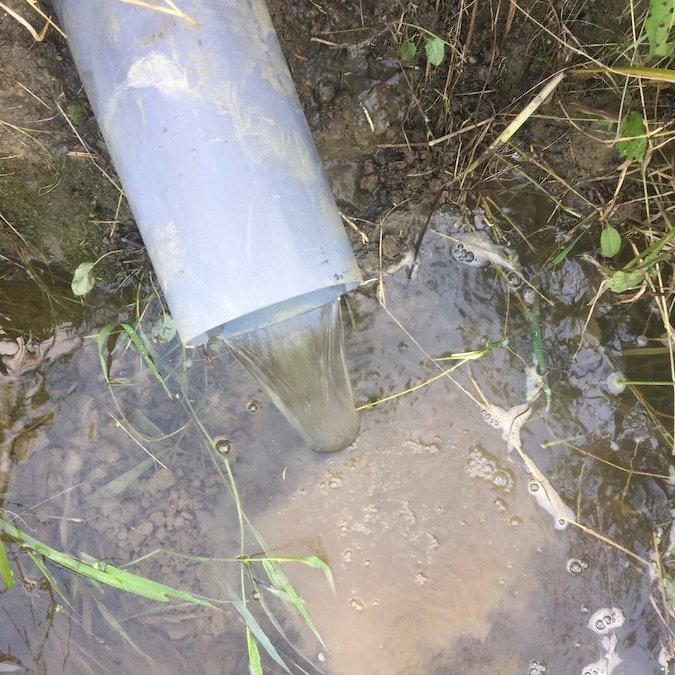
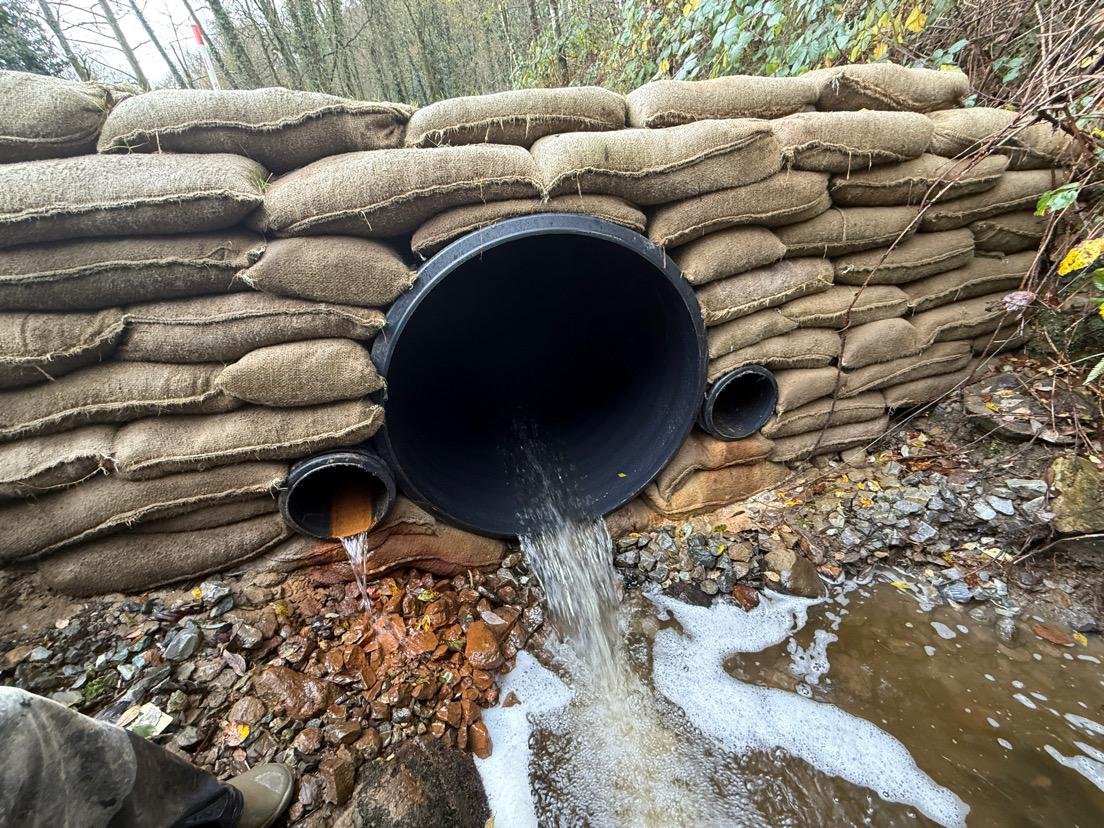
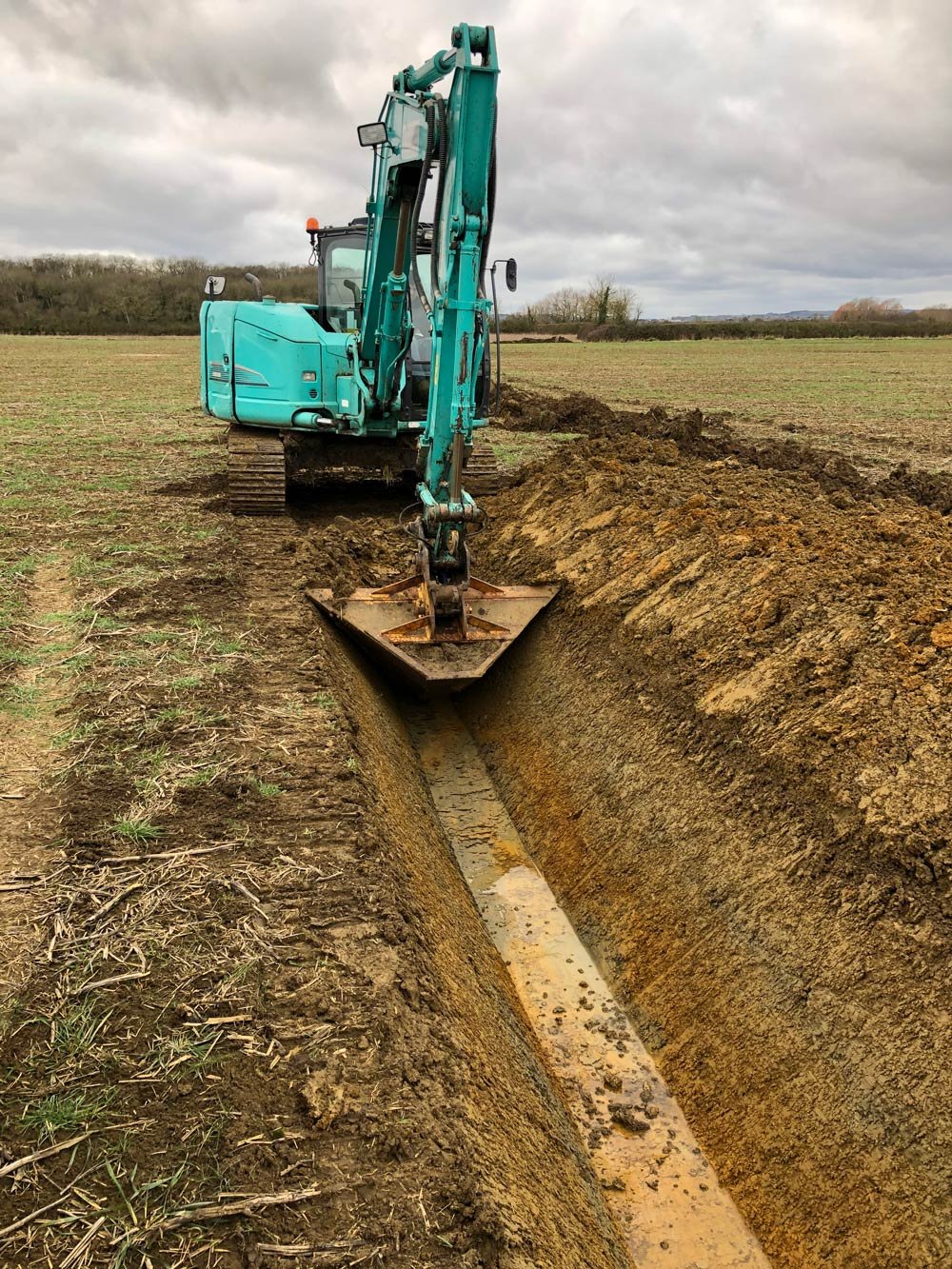
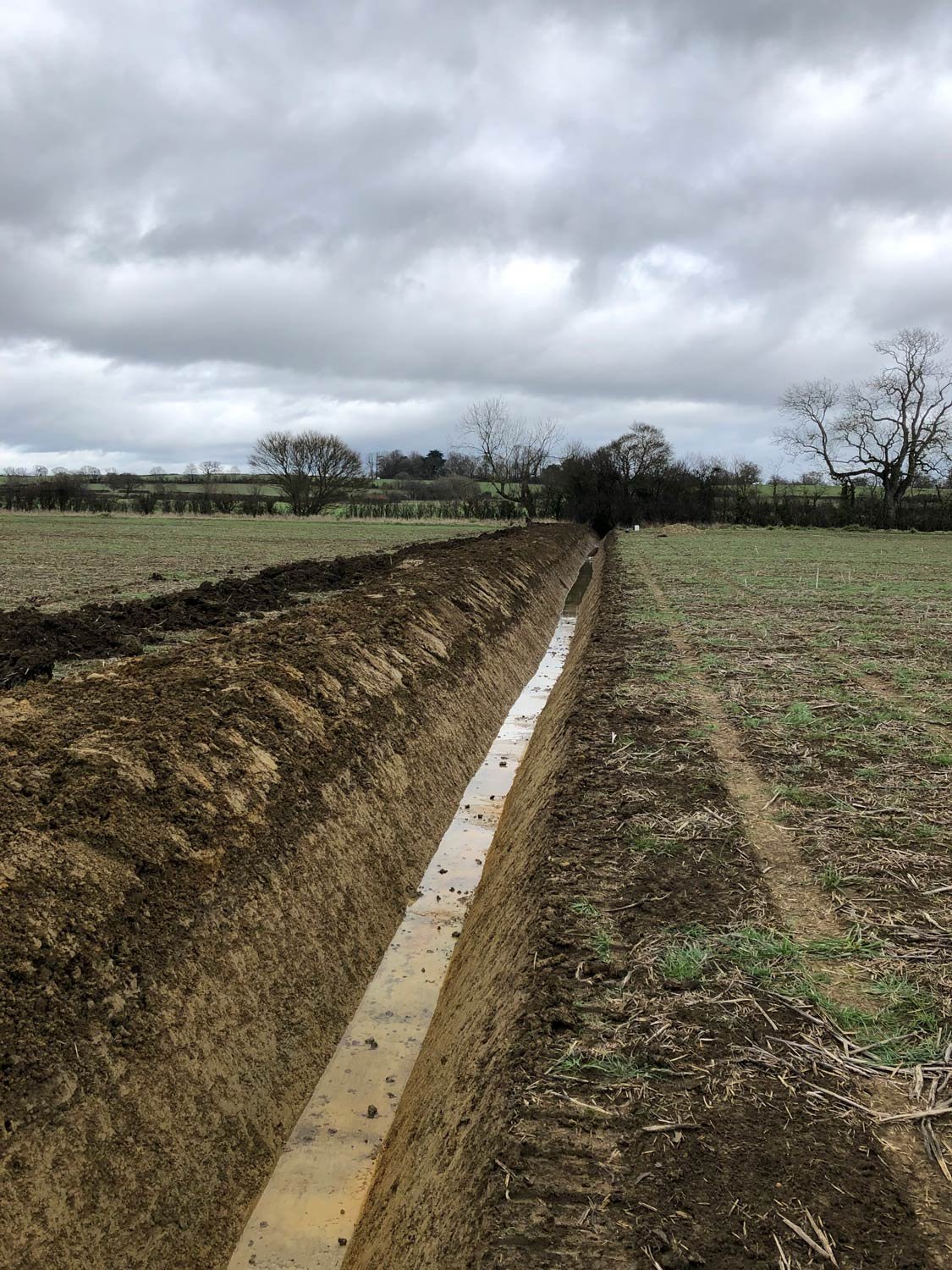
You need to get the water away via a ditch, stream or river, no outfall no drainage. The first place to start would be to sort out your ditches and gain depth where possible as the drainage outfalls will need to be at 90cm plus in depth. Steve Parker Services Ltd can carry this out for you, we can do as little or as much as you like, depending on your budget. Then, when you’re ready we can design a suitable scheme to deal with the problem using our own equipment and staff.
Excellent land drainage is crucial to any land based business, from direct farming of the land through to equestrian training areas and even car park faciliies, and we provide this throughout Somerset, Devon, Dorset & Gloucestershire.
A well designed drainage system is only as good as it’s outfall, loose this and the benefits of your scheme will be lost, so you need to make sure your ditches and water courses are in good order before you attempt anything else.
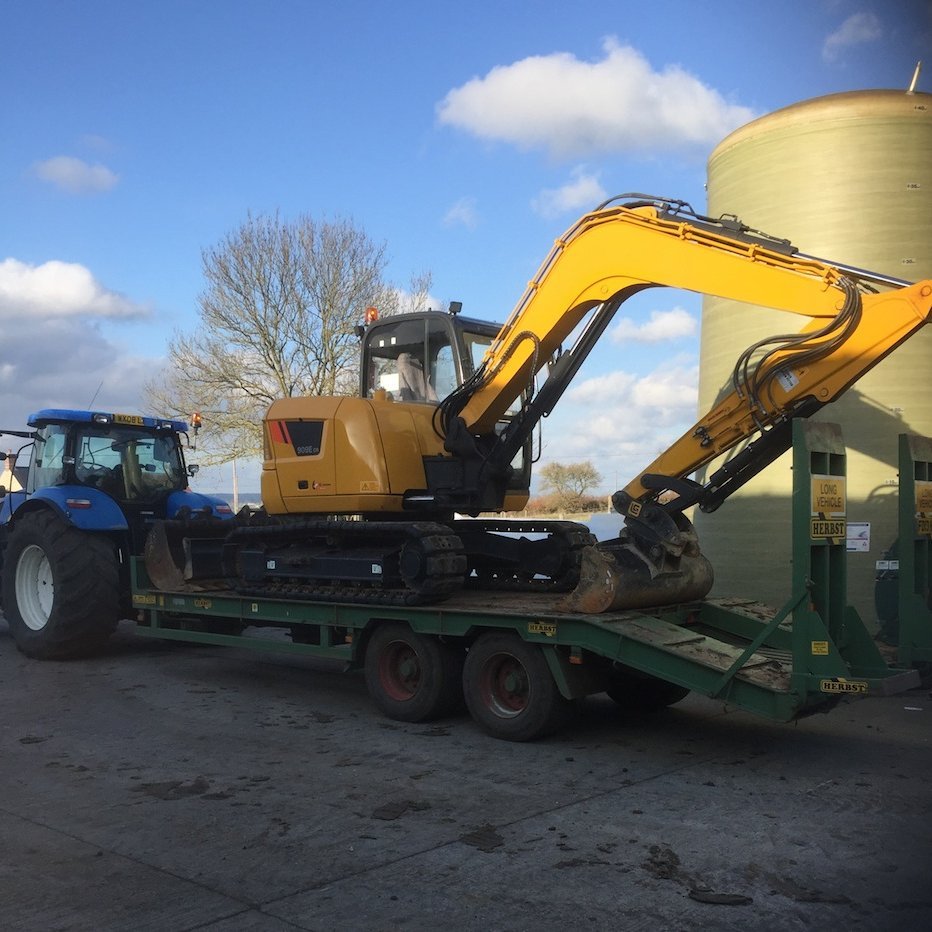
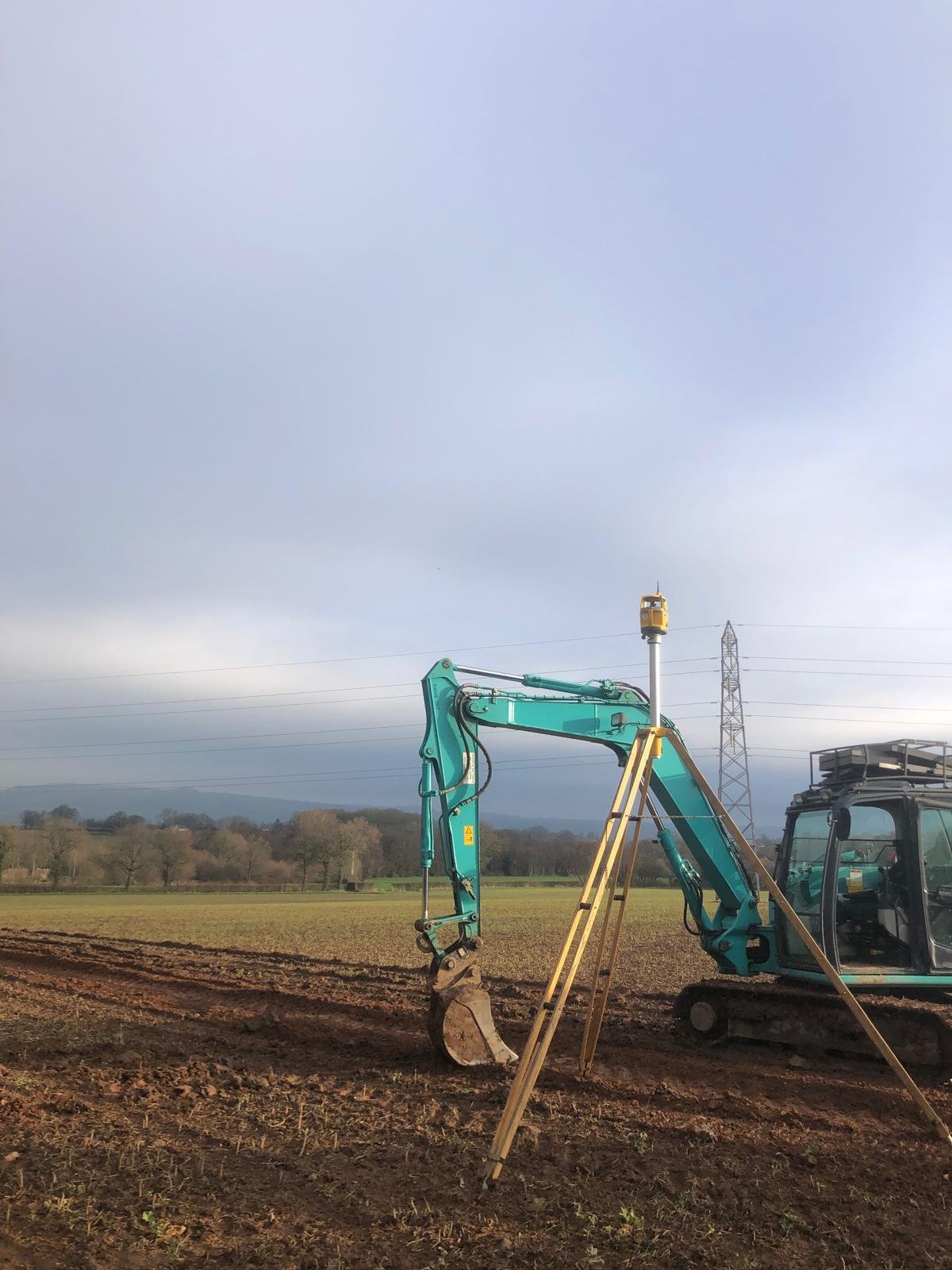
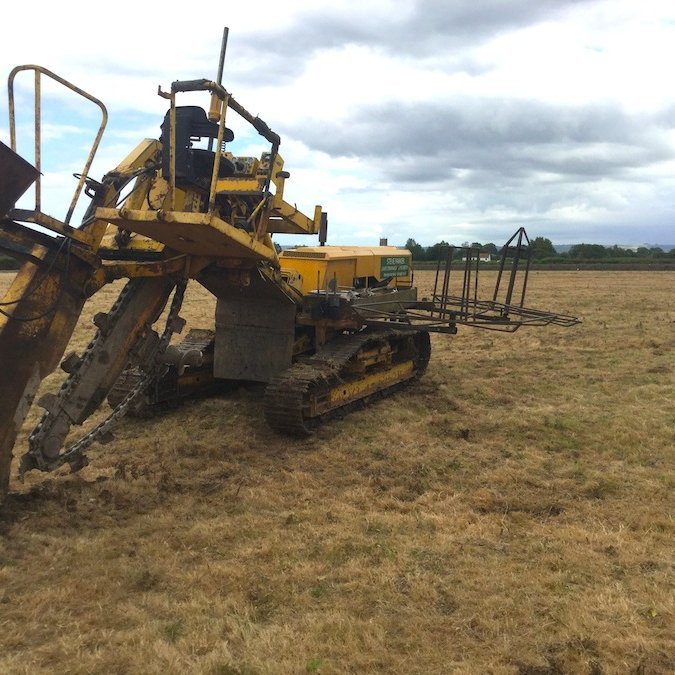
Machinery has progressed in the past few years so we now use laser and GPS guided equipment and we can provide expertise and advice in all areas of land drainage, working with clients such as Thatchers Cider, Lindsay Clark Partners, Perrins Hill Partnership, Cropmech Ltd, J P & R A Hill Farming, Zephen Farms Limited, A & S Barnes Farming, Q T Agri Limited, AUS Utilities, Camel Hill Farm, National Trust, Duchy of Cornwall, Natural England & Eden Vale Turf.
Land Drainage
- Agricultural, grass and cereals
- Equestrian
- Paddocks and arenas
- Orchard and vineyard
- Garden
Water Course Maintenance
- Ditching
- Ditch clearance
Ground Maintenance
- Subsoiling
- Moling
- Aeration
- Sward lifting

About SPS Land Drainage
A well designed drainage system is only as good as its outfall, loose this and the benefits of your scheme will be lost, so you need to make sure your ditches and water courses are in good order before you attempt anything else.
Machinery has progressed in the past few years so we now use laser and GPS guided equipment.
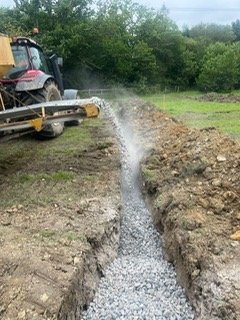
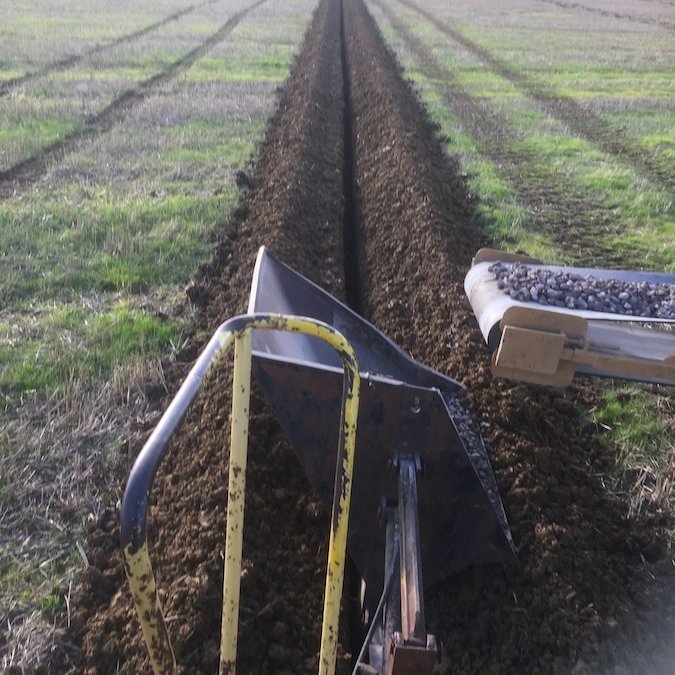
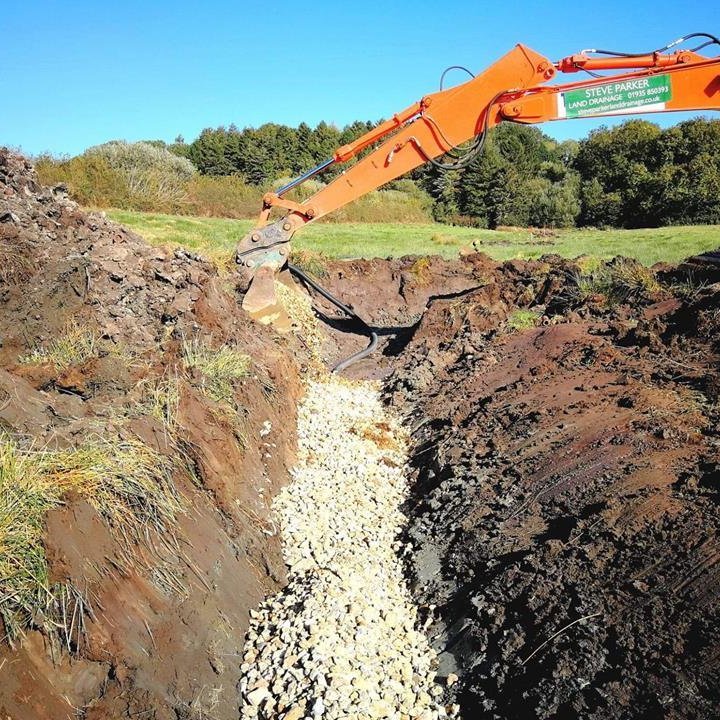
Being in the South West most schemes require porous back fill, which on its own has advantages. It keeps the area immediately around the pipe open making them less likely to silt. It increases the surface area, which makes the drains more efficient and it provides you with a connection for any subsoiling or cross moling that might be carried out.
Drainage is proven to increase yields and has a track record stretching back thousands of years. Good design minimises costs and with so many different ways of draining, time spent on design is not wasted. No one in our society can ignore the environment, rather than viewing it as a hindrance, land drainage should be seen as an opportunity.
Drains are a valuable asset and should be treated as such. They should be carefully maintained and outlets checked regularly. Drains can last for generations, but eventually they will need to be replaced. If yields are to be preserved, let alone increased, you must give consideration for a long term replacement land drainage scheme.
Land drains, buried a metre below the ground, working twenty four hours a day, three hundred and sixty five days a year, are perhaps the hardest working but least thought about piece of rural equipment in the UK. Perhaps it is understandable that drains are often forgotten, once the field has been cultivated nearly all signs of the investment disappear, as drainage tends to prevent problems before they occur, it will always be easy to overlook.
What should not be ignored are the benefits well drained ground can give to those who work the land. For thousands of years people have drained land to increase yield and to make farming easier and more profitable. Almost everything in farming starts with the soil and good drainage is the foundation of good soil. It is, quite simply, impossible to farm profitably on sodden fields.
Therefore I believe that land drainage must play a vital part in farming’s future – “Drain the field to increase your yield”.
If you require experienced land drainage contractors in Yeovil, Wincanton, Dorchester, Chard, Taunton, Bridgwater, Bristol & Bath, then contact SPS for a free assessment and land drainage proposal.
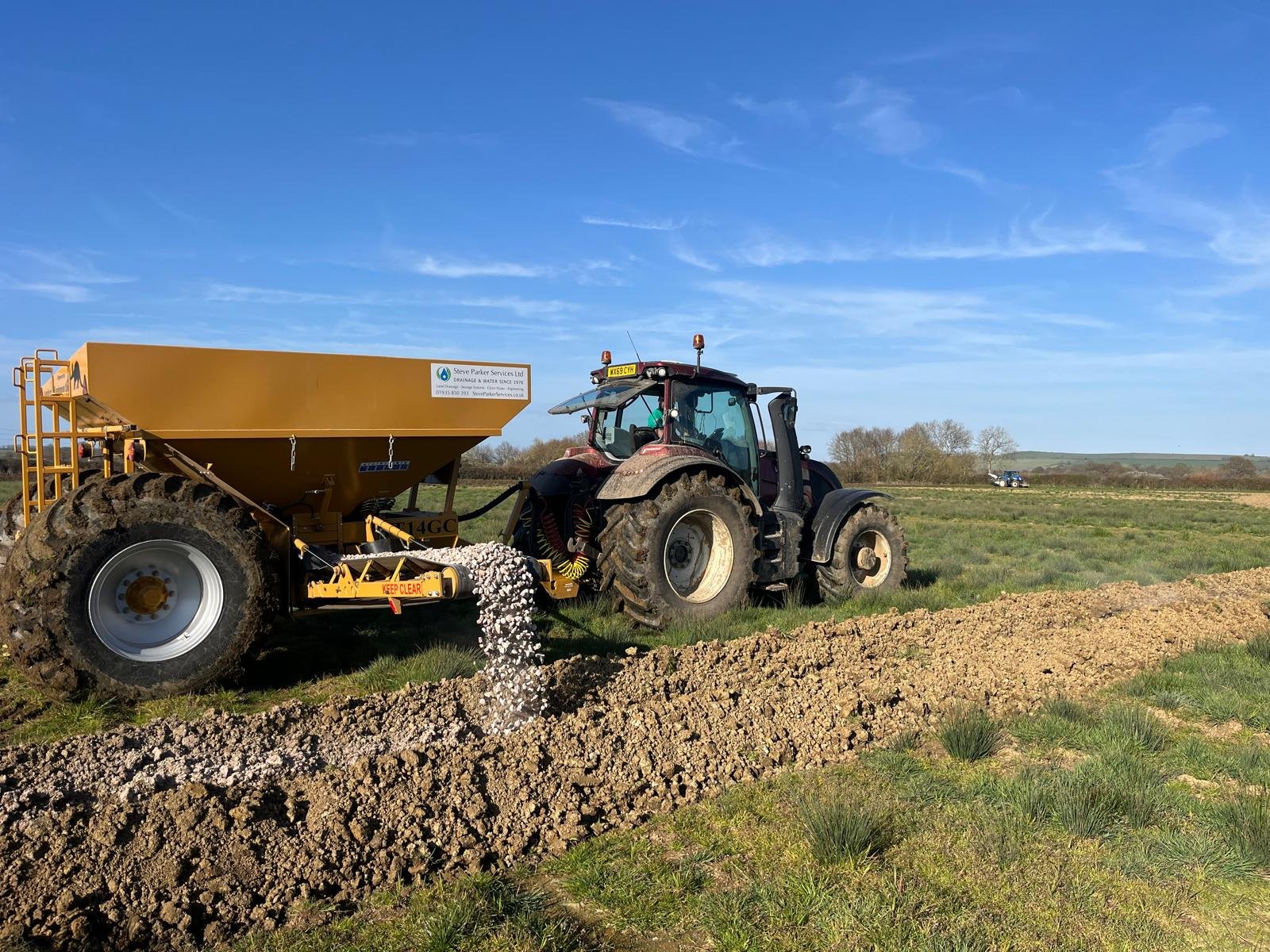
We offer a comprehensive range of services to provide the very best land drainage solution for your land, from surveying and planning through to land drainage pipe, mole ploughing and ditch creation and cleaning.
Working throughout the South West we cover Somerset, Dorset, Devon, Wiltshire, Hampshire and Gloucester. Catering for our clients individual requirements, we can design, supply and install systems tailored to your needs. All the equipment we supply comes from recognised manufacturers.
Please contact us for any land drainage requirements in Yeovil, Wincanton, Bath, Bristol, Bridgwater, Taunton, Wiveliscombe, Exeter, Honiton, Chard, Dorchester and throughout the South West.
We offer a comprehensive range of services to provide the very best land drainage solution for your land, from surveying and planning through to land drainage pipe, mole ploughing and ditch creation and cleaning.
Working throughout the South West we cover Somerset, Dorset, Devon, Wiltshire, Hampshire and Gloucester. Catering for our clients individual requirements, we can design, supply and install systems tailored to your needs. All the equipment we supply comes from recognised manufacturers.
Please contact us for any land drainage requirements in Yeovil, Wincanton, Bath, Bristol, Bridgwater, Taunton, Wiveliscombe, Exeter, Honiton, Chard, Dorchester and throughout the South West.
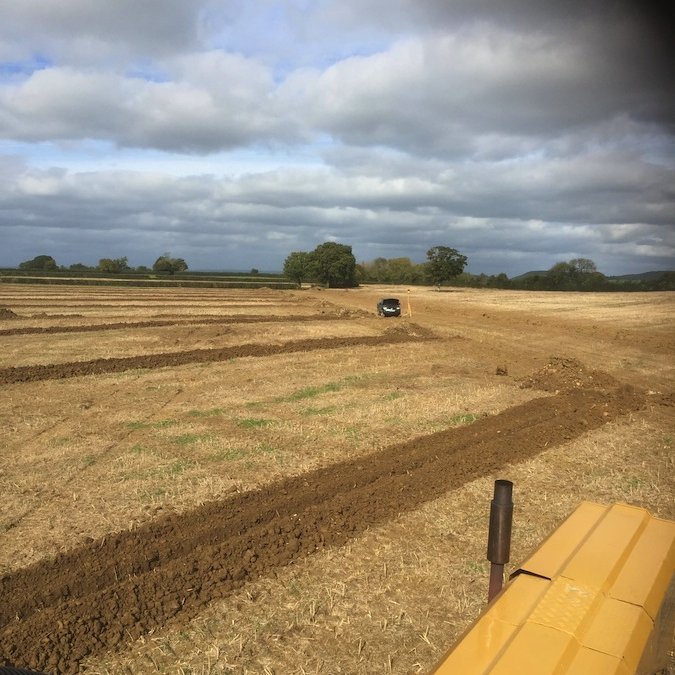
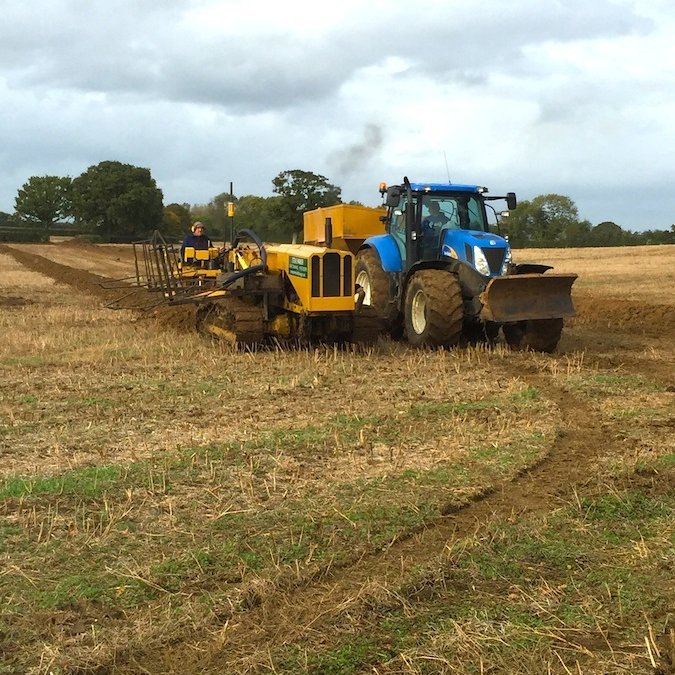

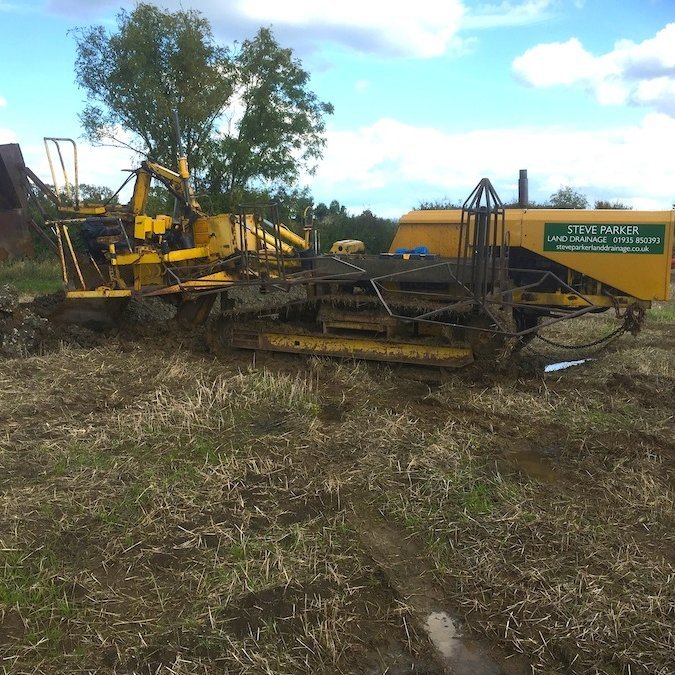
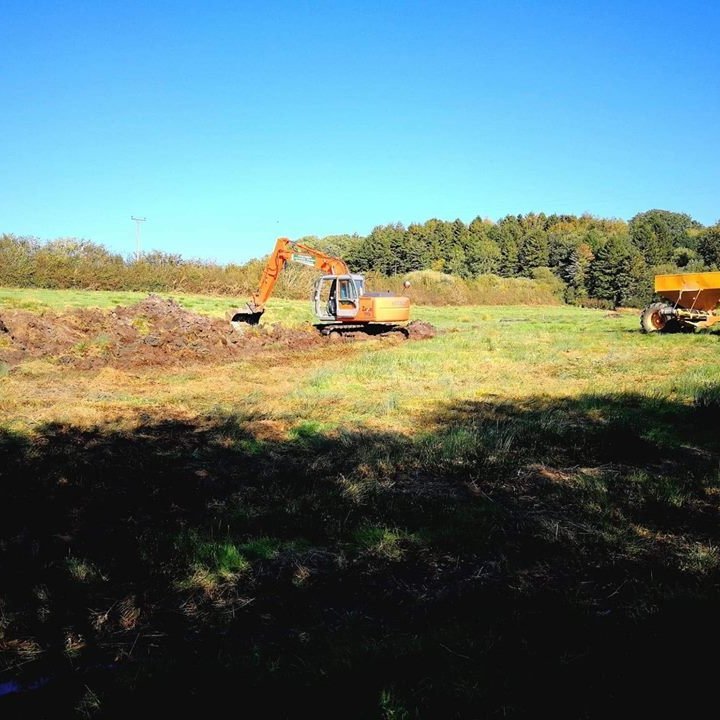
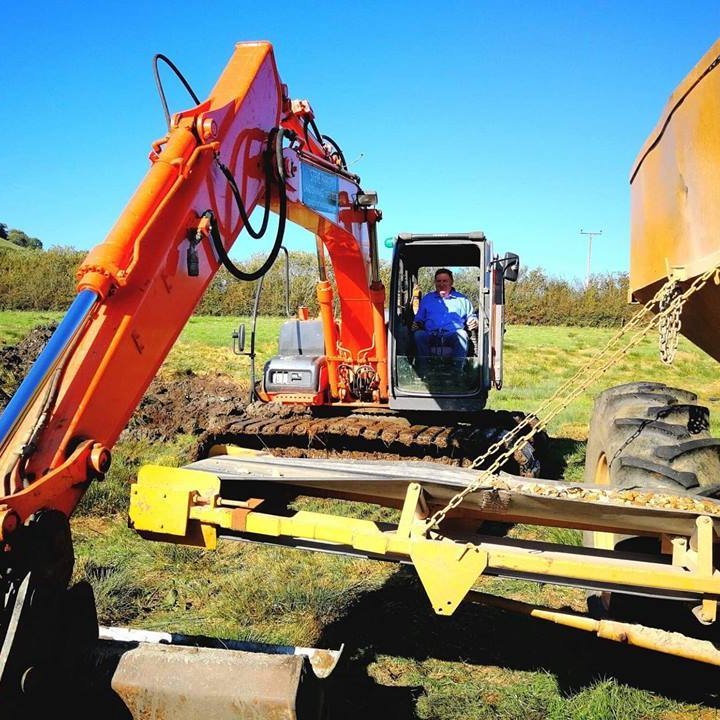
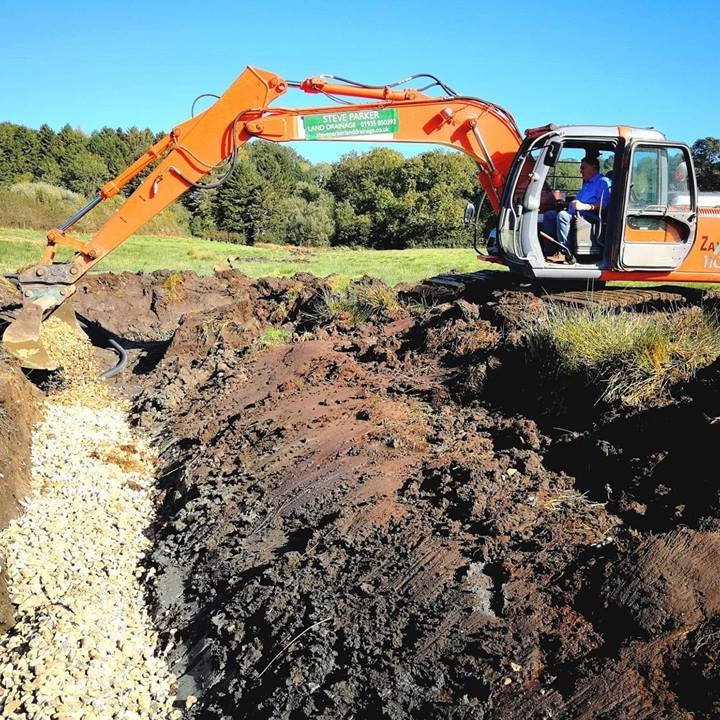
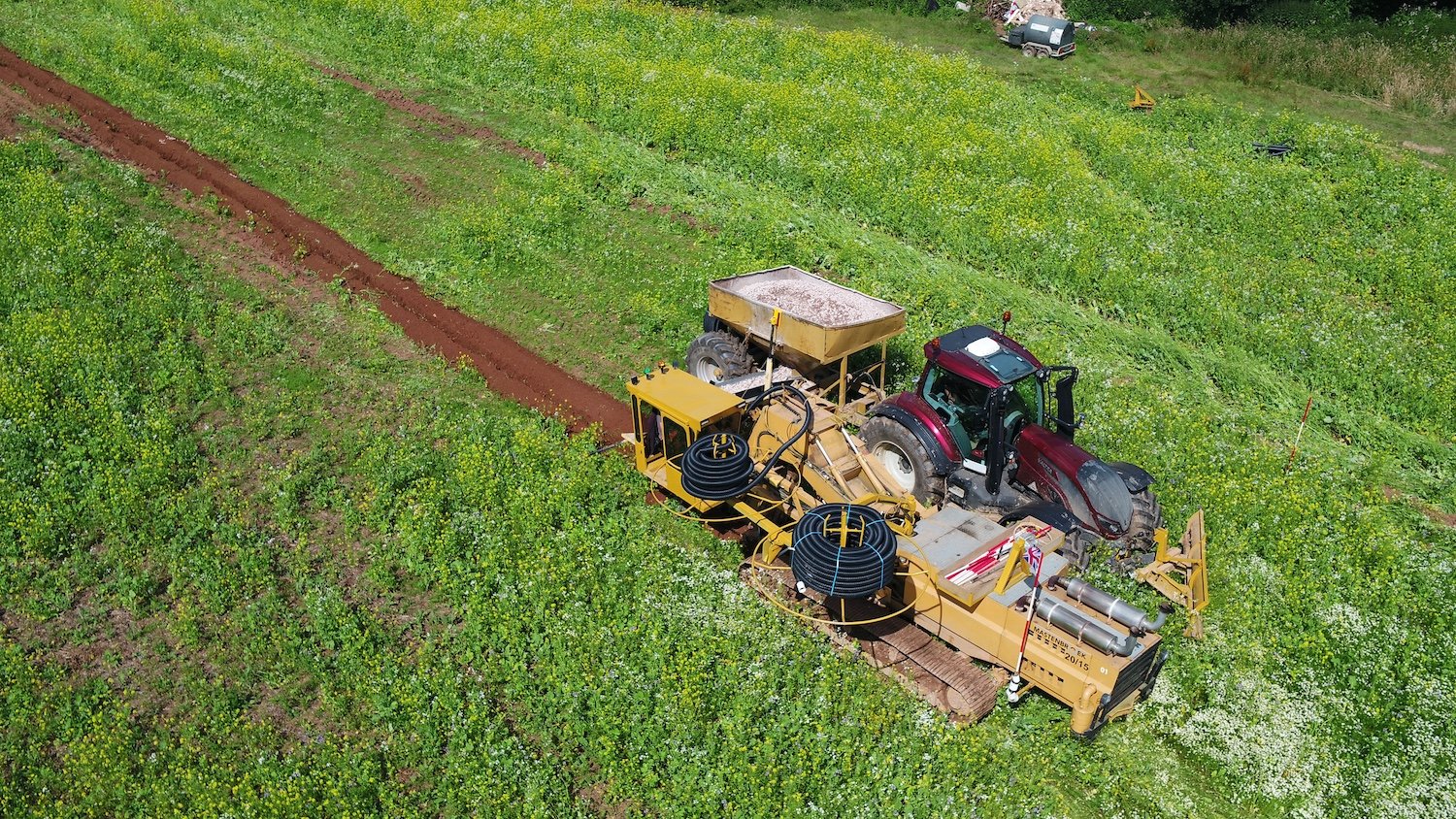
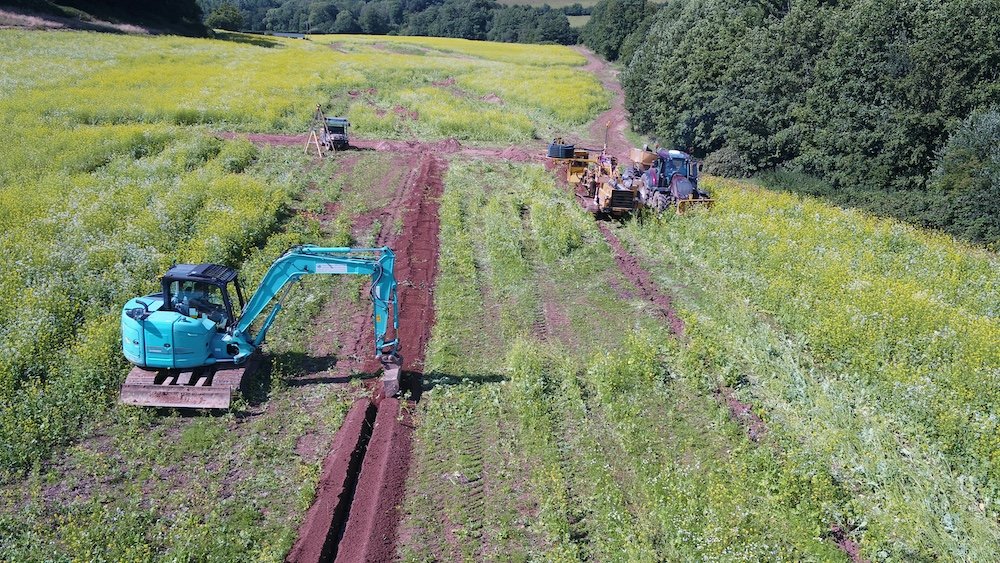
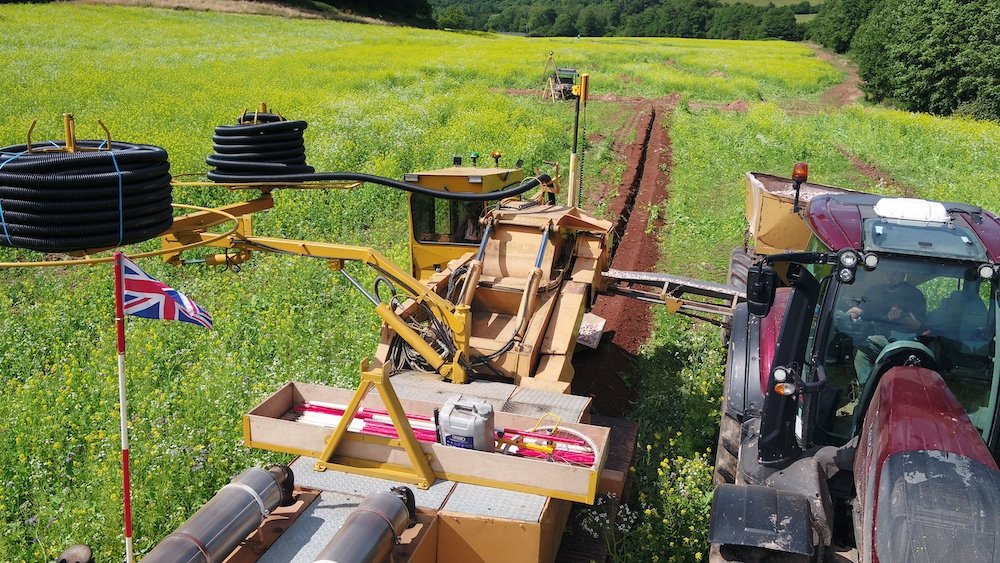
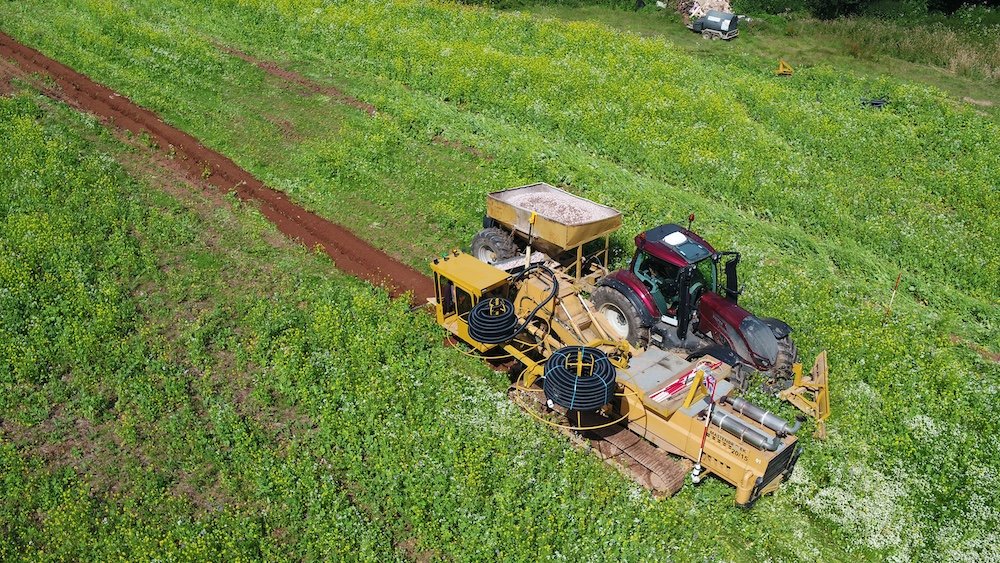
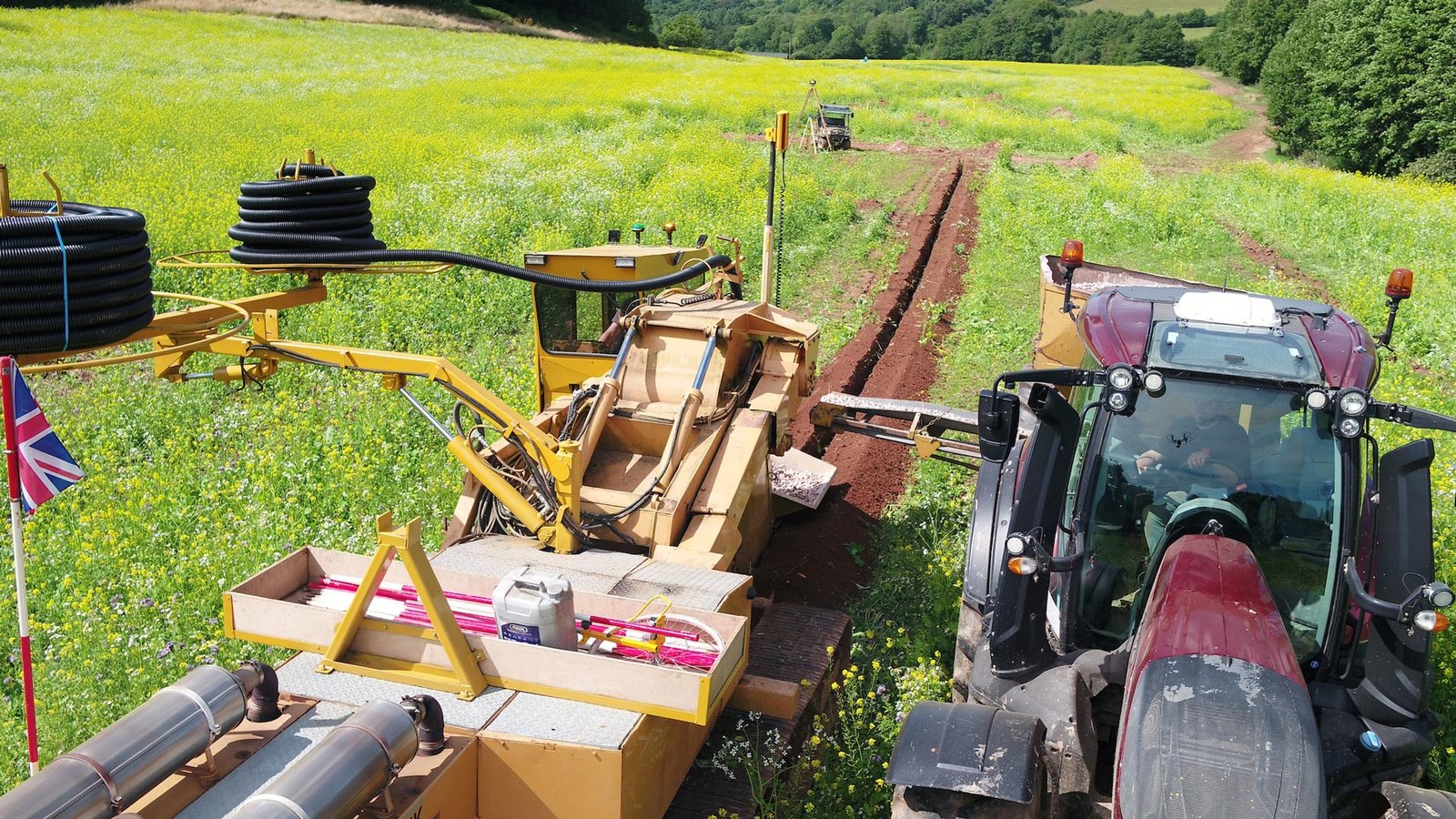
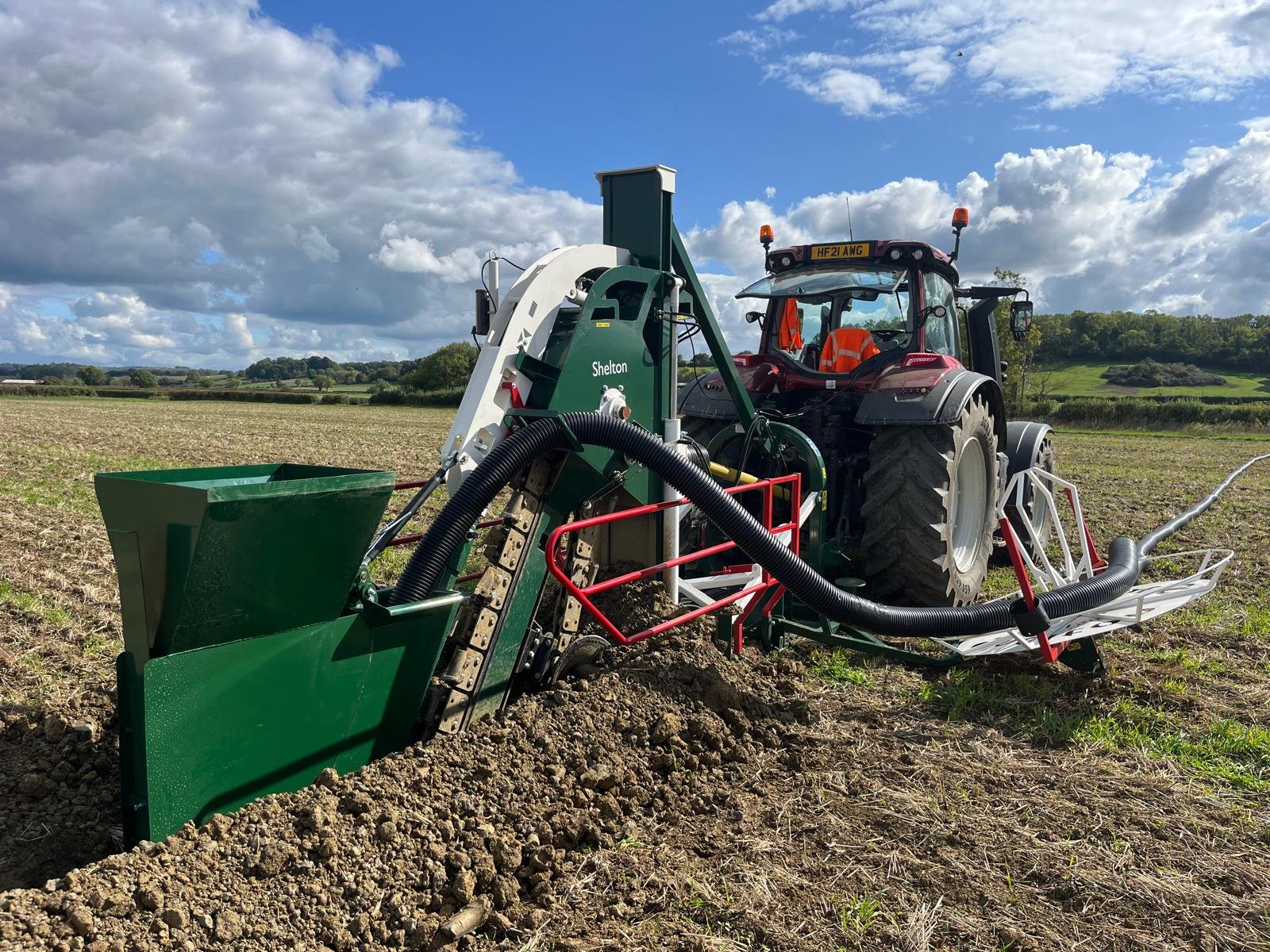

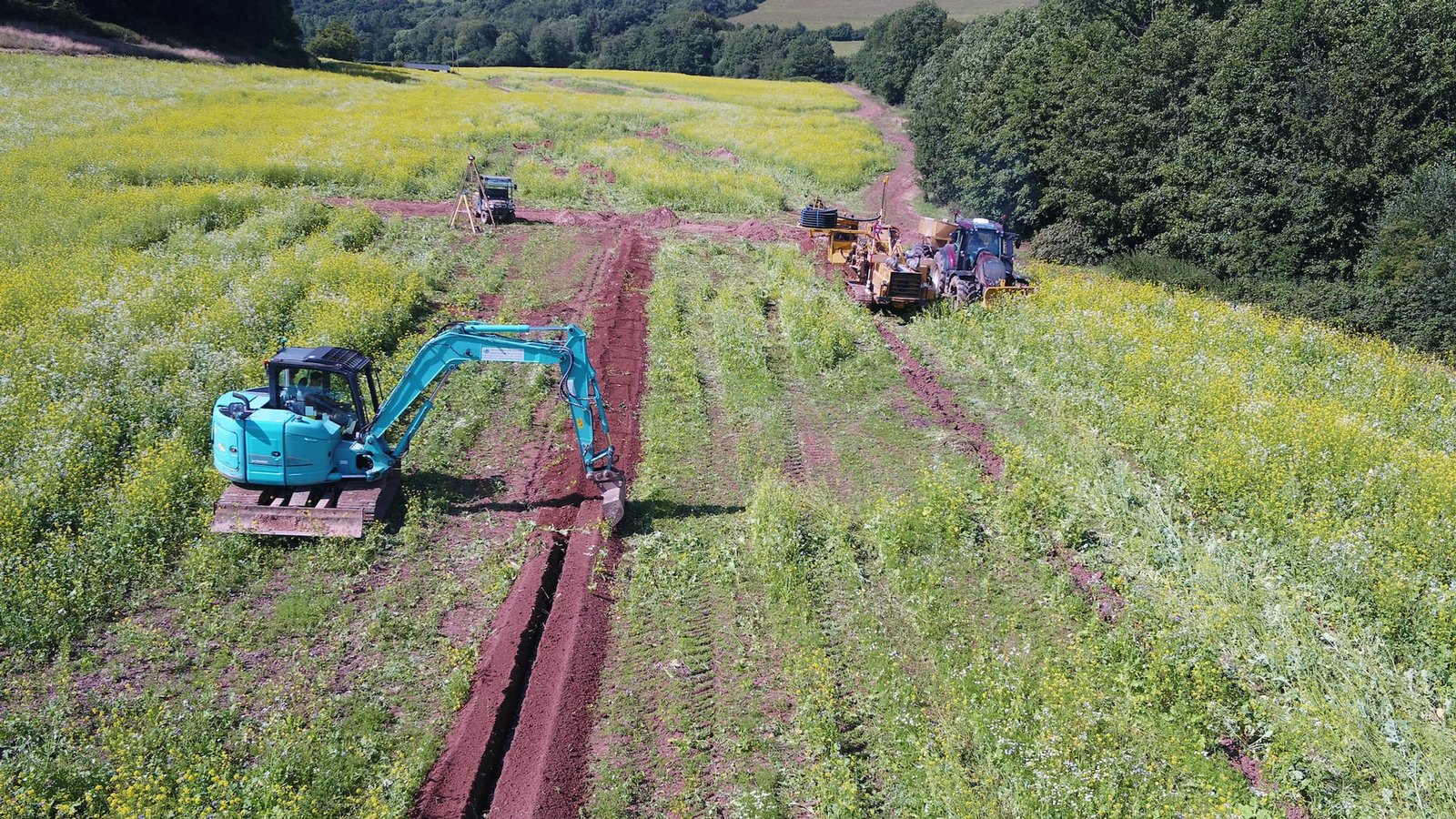
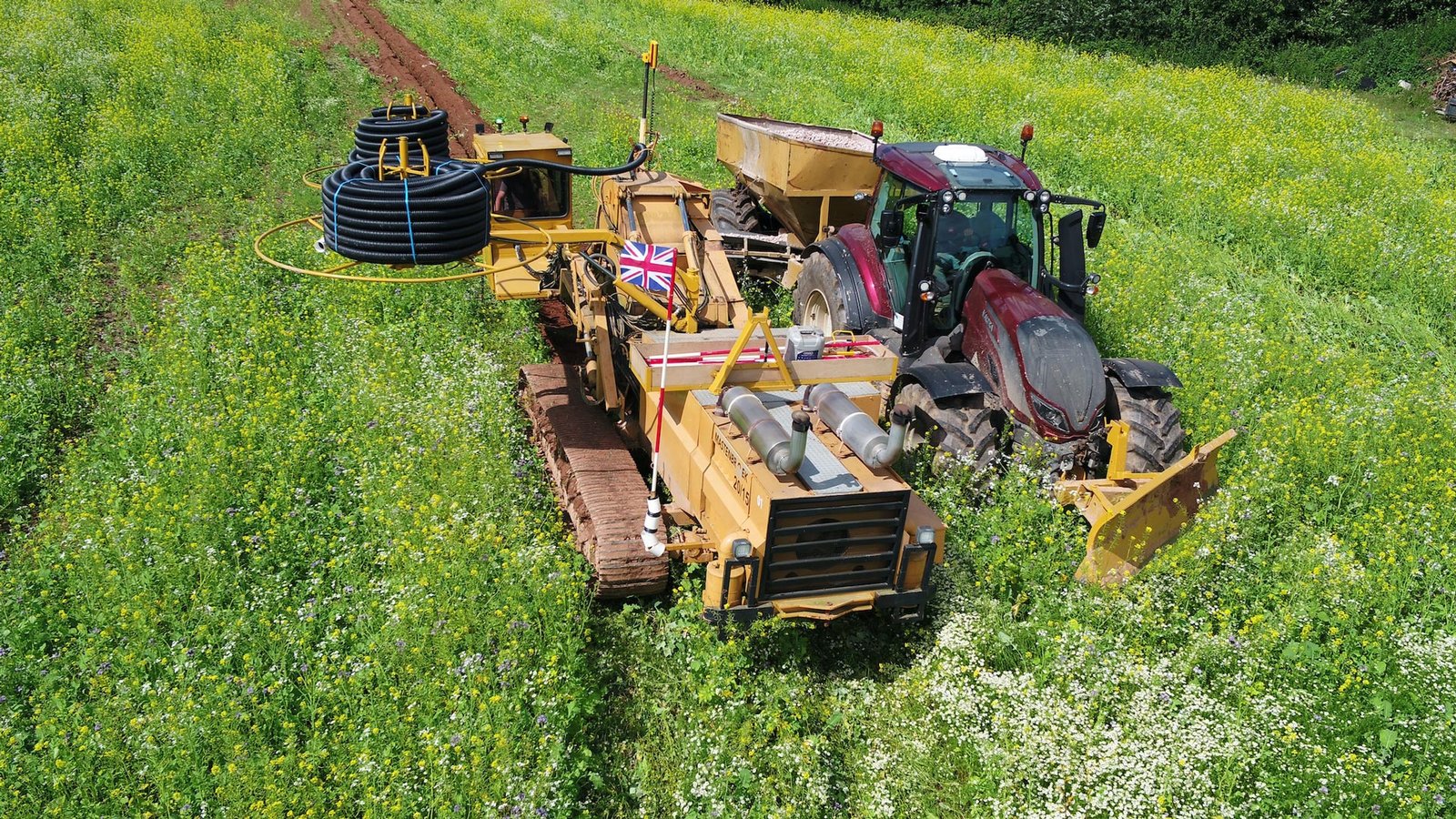
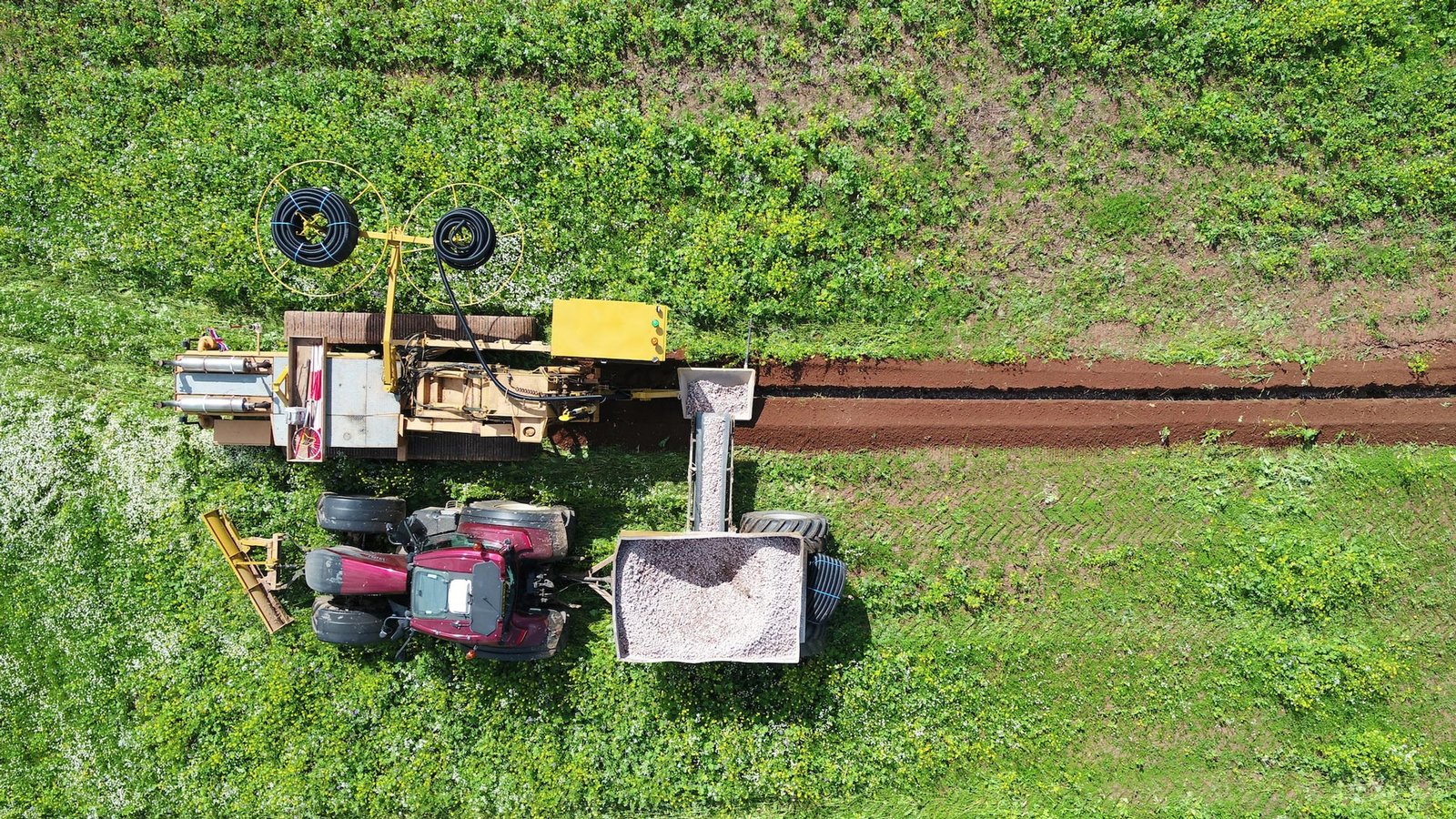
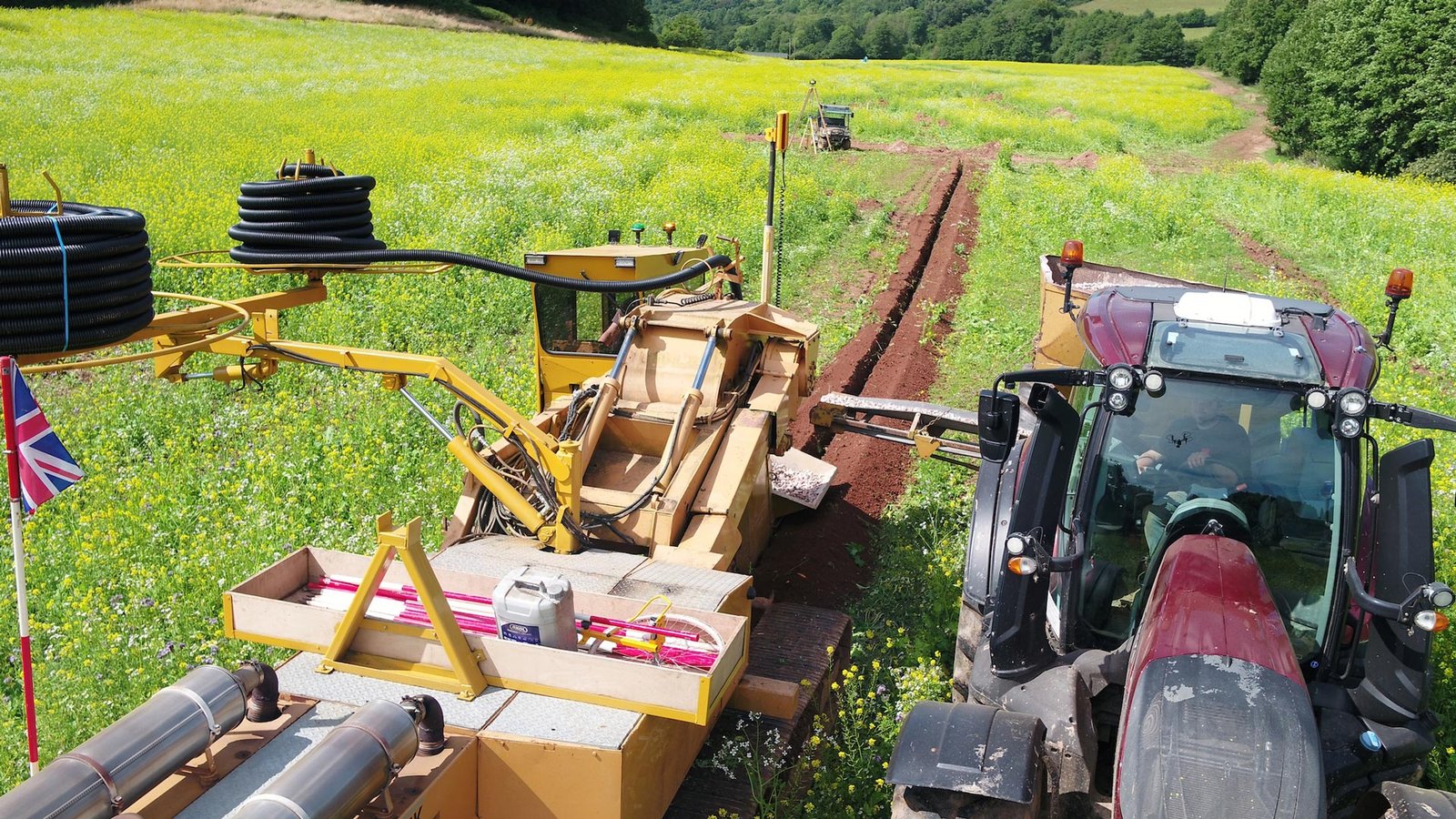
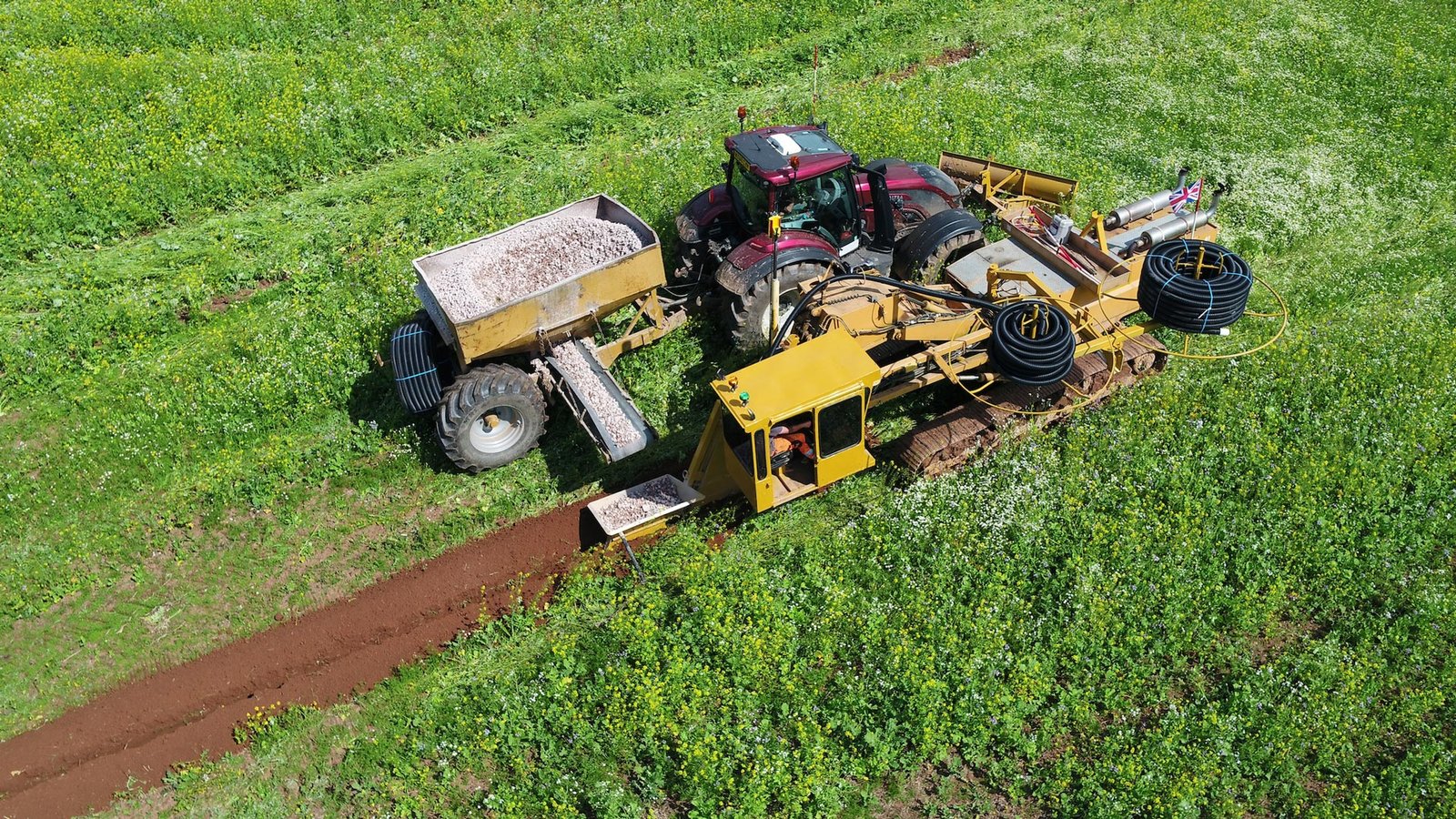
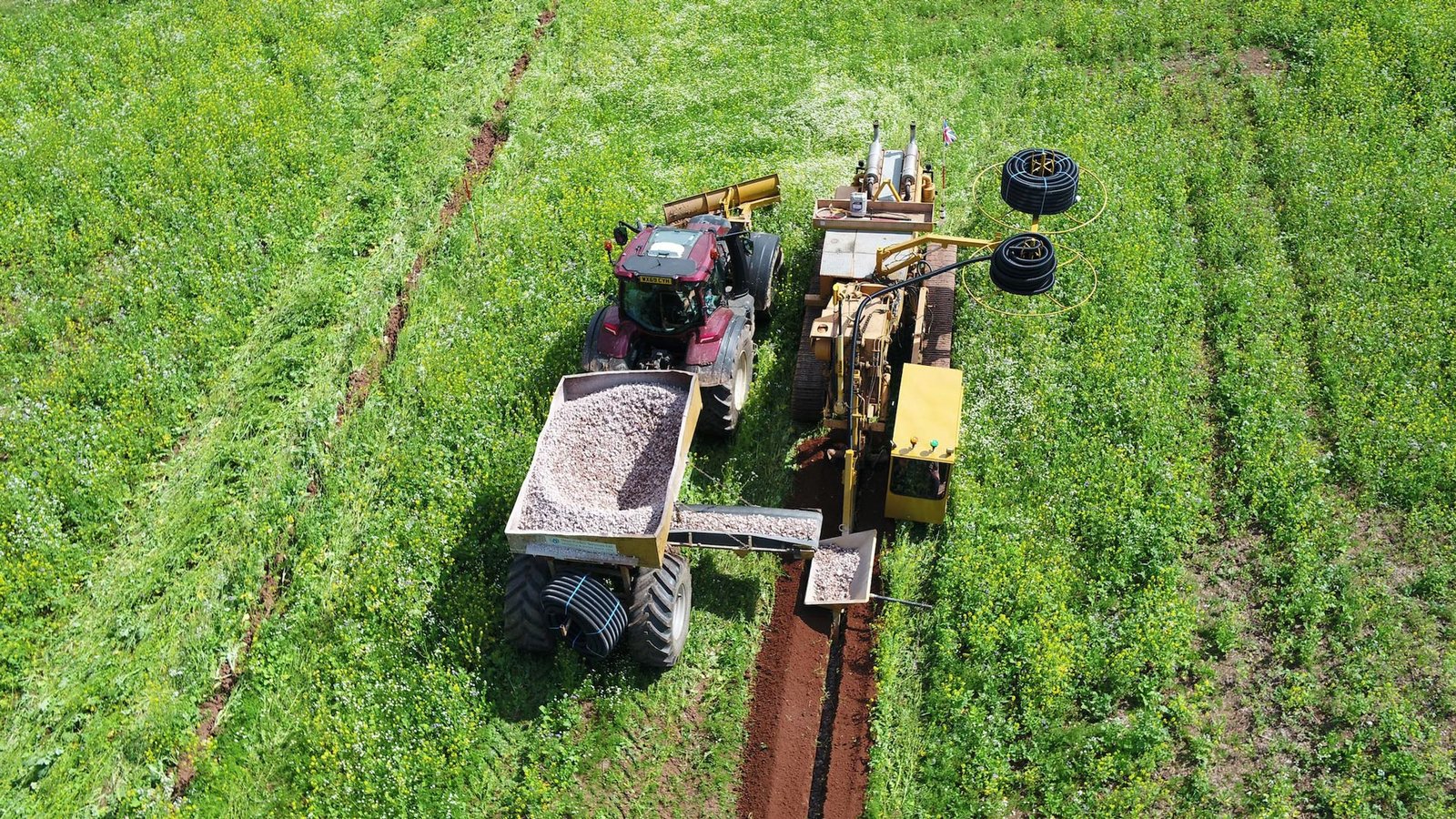
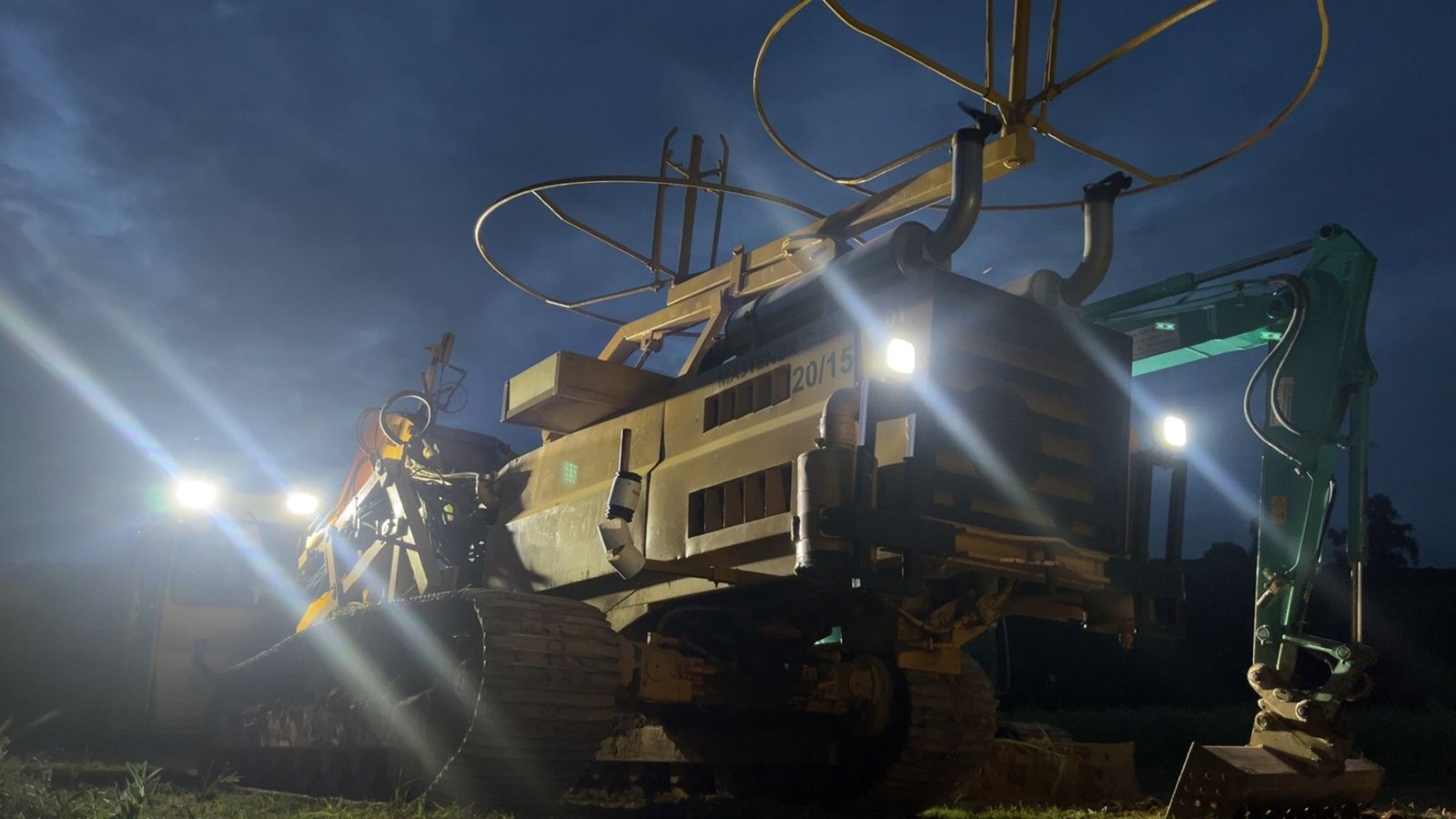

The Importance of Field on Drainage: A Case Study near Yeovil Somerset
Effective land drainage is a cornerstone to modern farming ensuring that agricultural land remains productive and sustainable. Without it waterlogged fields can reduce crop yields, damage soil health, and make farming operations inefficient. A recently completed project near Yeovil in Somerset demonstrated how professional land drainage services can transform farmland, ensuring its long-term productivity. Here’s an overview of why filled drainage is essential and how Steve Parker Land Drainage Services delivered with exceptional results.
Why Field Land Drainage is Essential
1. Prevent water logging:
Excess water can accumulate in low lying areas of fields with heavy clay soils. This water logging creates anaerobic soil conditions which harm plant roots and reduce crop growth.
2. Improving soil structure:
Proper drainage allows air to penetrate the soil, enhancing its structure and fertility. This not only improves root development but also nutrient uptake for crops.
3. Extending growing season:
Undrained fields often remain too wet to plant or harvest during critical periods. Good drainage ensures farmers can work their land earlier in the spring and later into the autumn.
4. Reducing soil erosion:
Standing water can lead to soil erosion and nutrient loss, affecting long term land productivity.
5. Boosting farm efficiency:
Drained fields are easier to manage, kinder on equipment and quite simply, better for growing crops.
The Challenges near Yeovil
In the Somerset area, many fields are prone to drainage issues due to the combination of heavy clay soils, low lying areas and high-water tables. Coupled with the changing weather patterns and increased rainfall this can pose many a challenge.
On this farm near Yeovil, the farmer had been struggling with water saturated ground for a very long time, this not only reduced crop yields but also made parts of their farm virtually unusable. Over time, this led to decreased productivity and mounting frustration.
The farmer turned to Steve Parker Land Drainage, a trusted name in the region known for their expertise, tailored solutions and practical approach.
How Steve Parker Land Drainage Helped
1. Site Assessment: The first step was for Will and Steve Parker to head over to the farm so we could show them the problem areas. After walking the land and listening to what we had to say, they gave us an indication as to cost per acre so we could see if it stacked up financially or not.
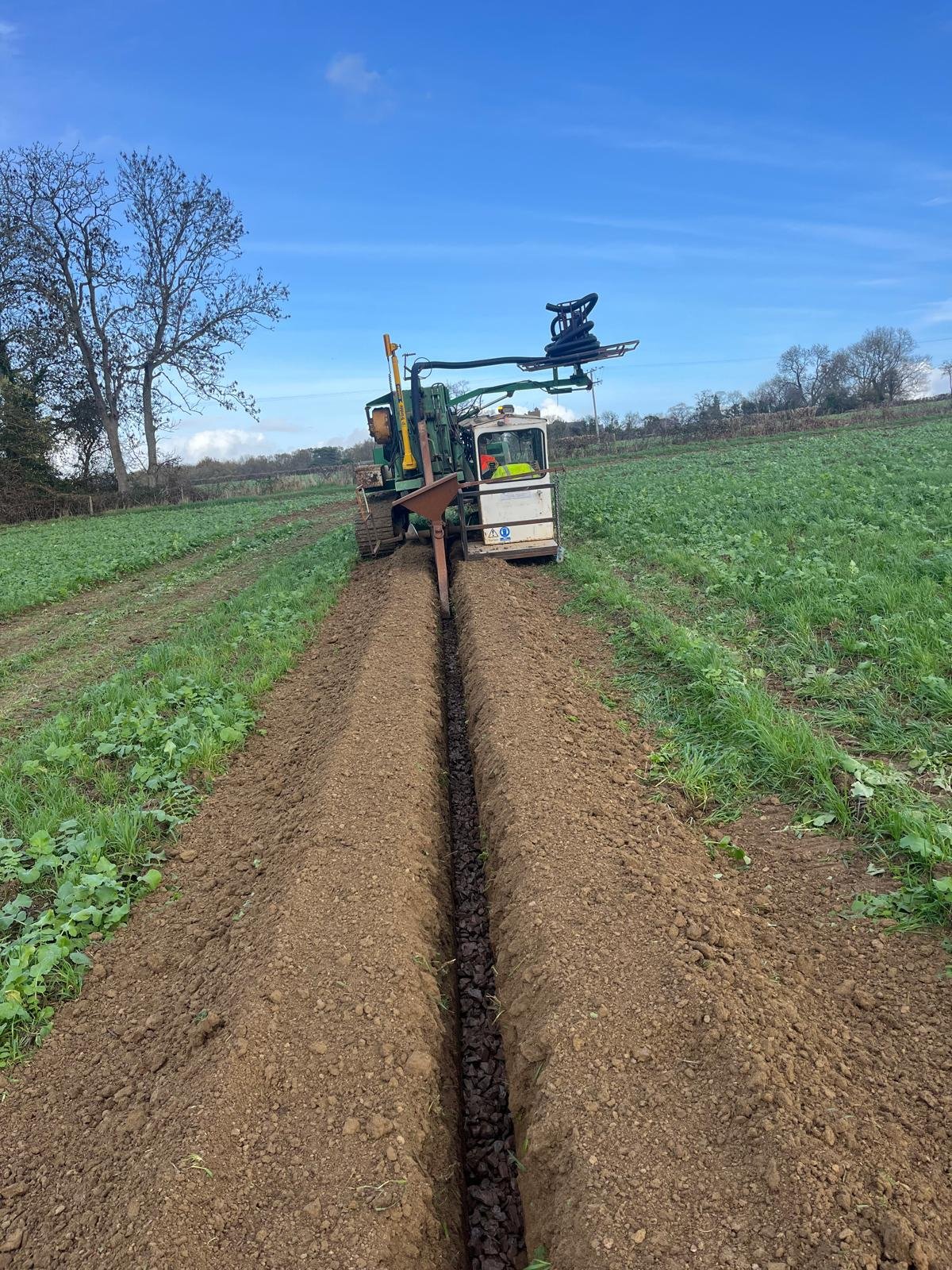
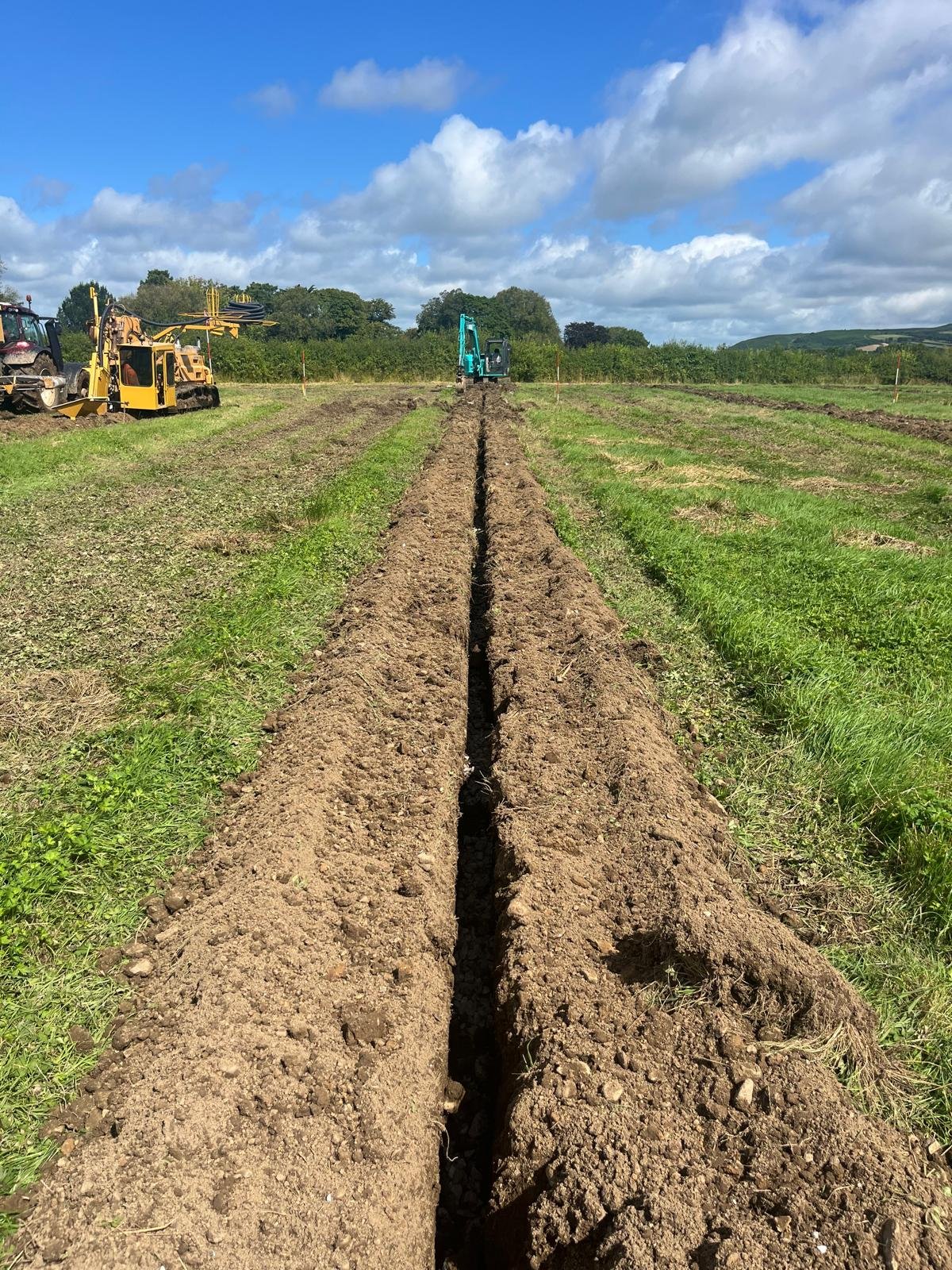
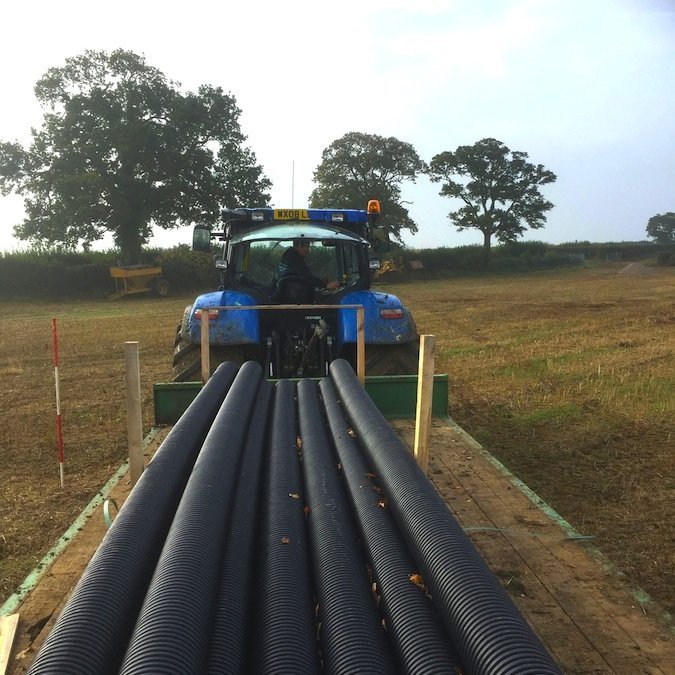
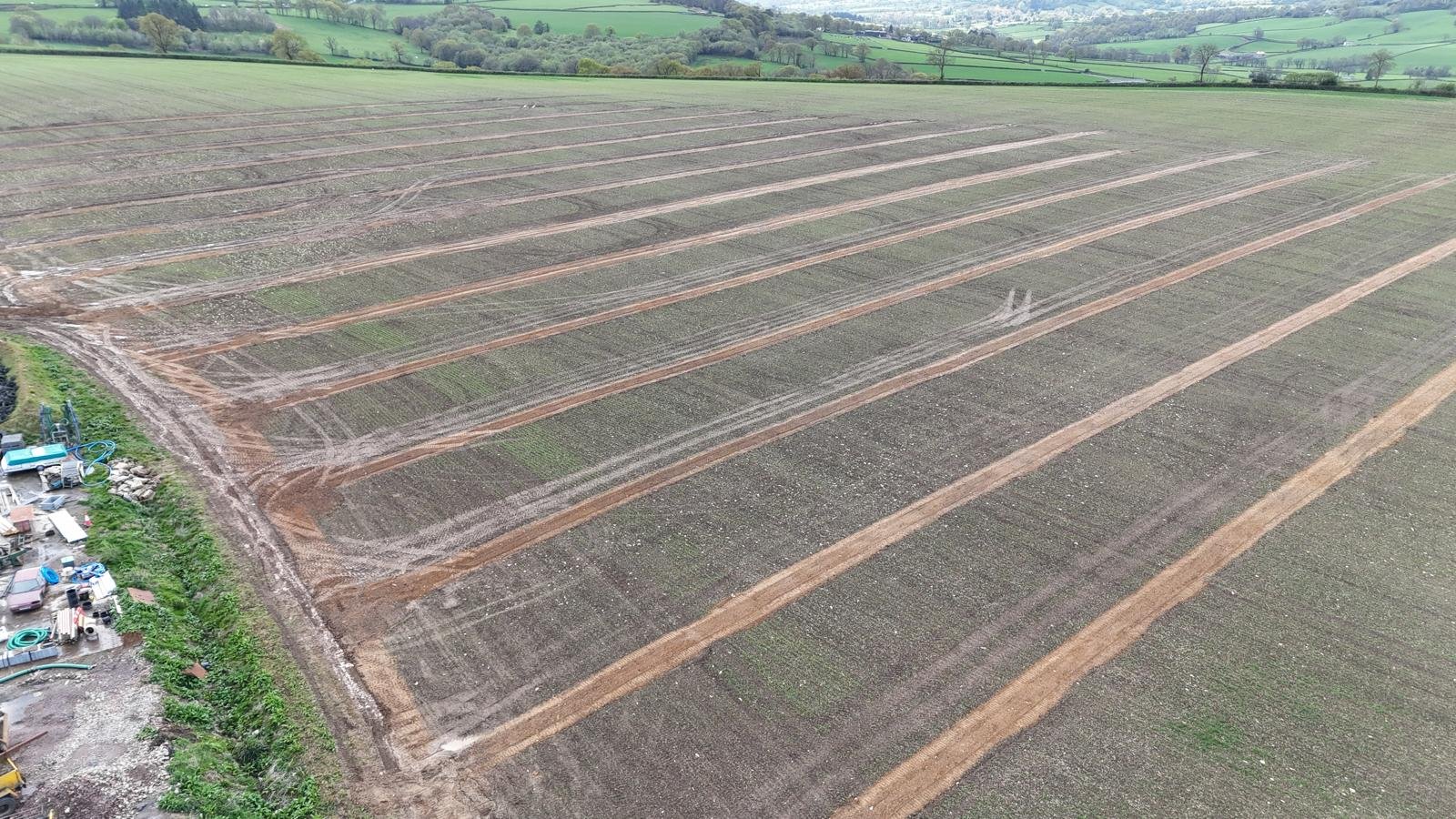
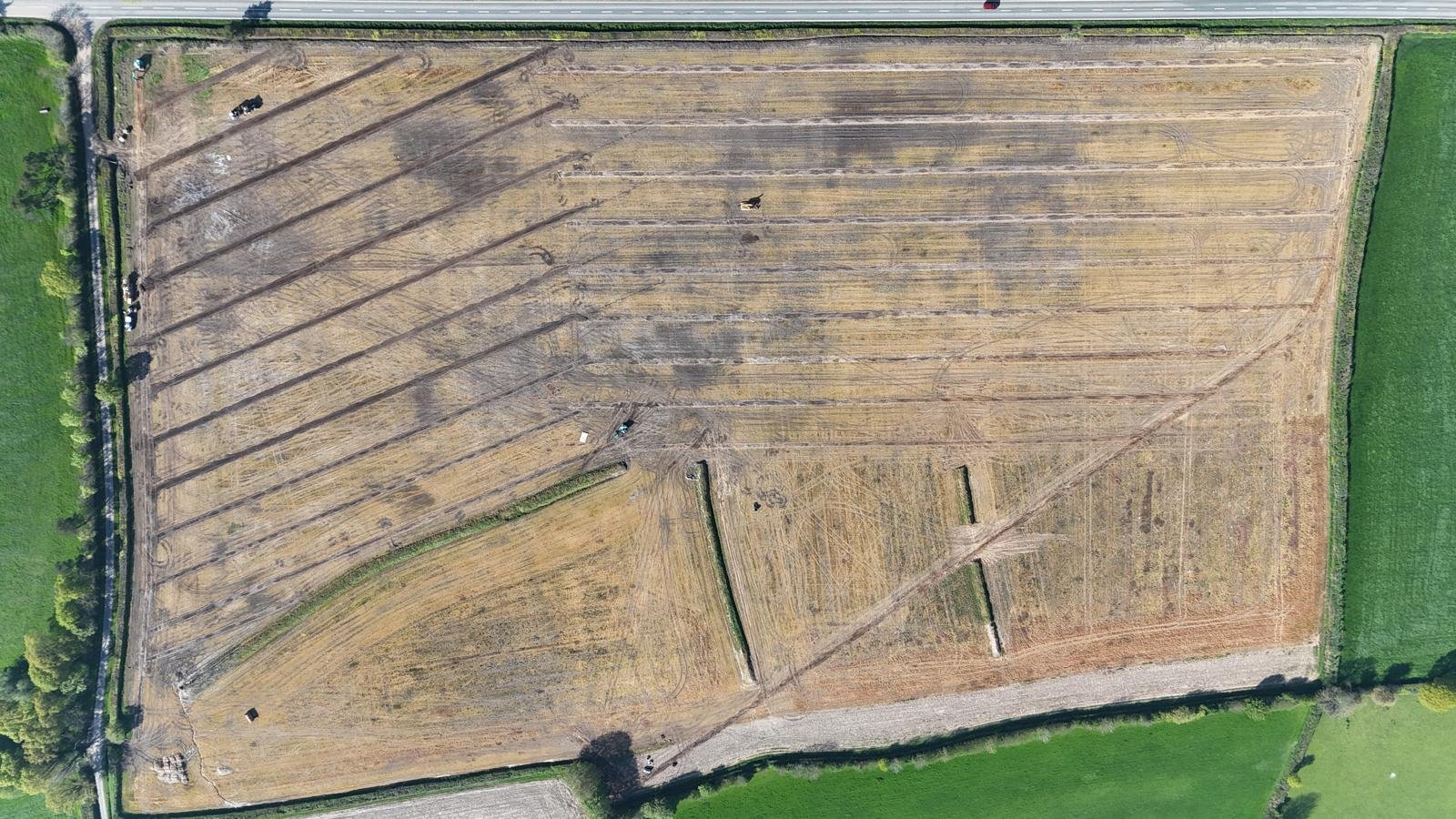
2. Drainage Plan: After carrying out a GPS survey of the fields, the team from Steve Parker Land Drainage designed a bespoke drainage system made up of perforated pipes to collect the water and channel it to the nearest outfall position.
3. Installation: Steve Parker Land Drainage installed the scheme, using GPS and laser grading equipment to guarantee accuracy of grades so the system worked as it should, and the pipework would self-cleanse which helps protect the life of the scheme.
4. Sustainable Solutions: Wherever possible the team incorporated sustainable practices. Examples included creating drainage dishes and attenuation soak aways to manage the water run off responsibly.
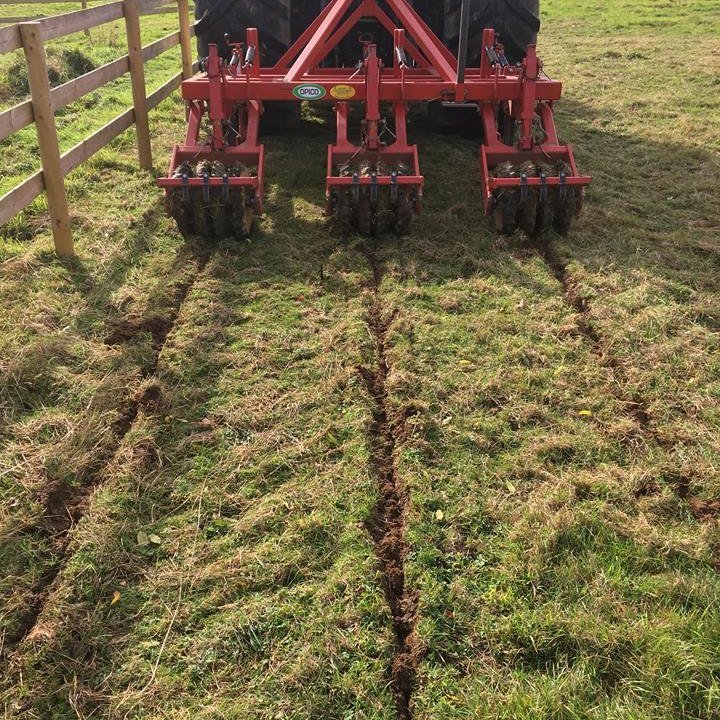
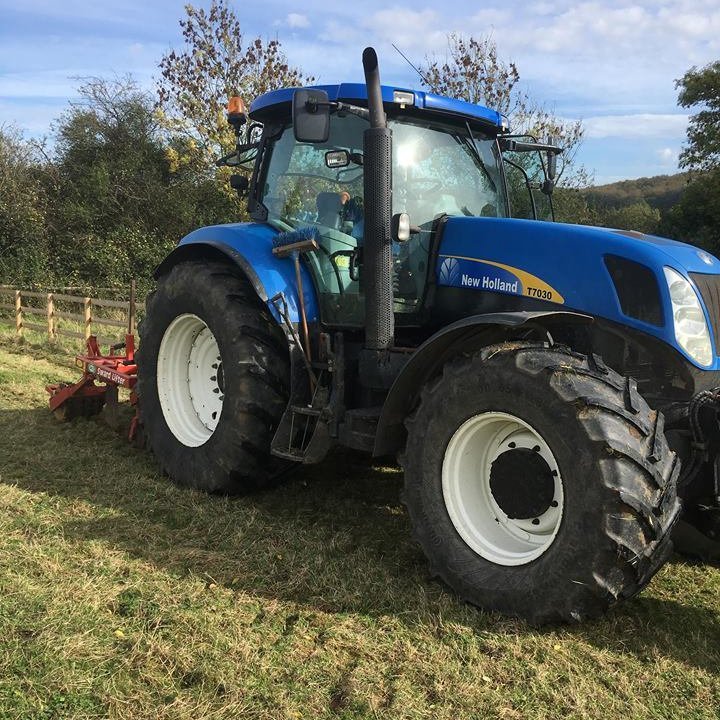
5. Follow Up Support: After the scheme was installed and checks were made, the area was mole ploughed at 90° to the lateral drains to encourage the water to get away to the outfall. This also helped with aeration and gave the scheme its best start.
The Results
The fields are now worlds apart from how they used to be. We have been able to get on the land when we needed to instead of having to wait. This scheme has resulted in good soil health which in turn means our plants are healthier and our inputs have decreased. All the effort and expense has resulted in significantly higher yields and the end result meant we had a healthier and more profitable farm.
Drain Jetting
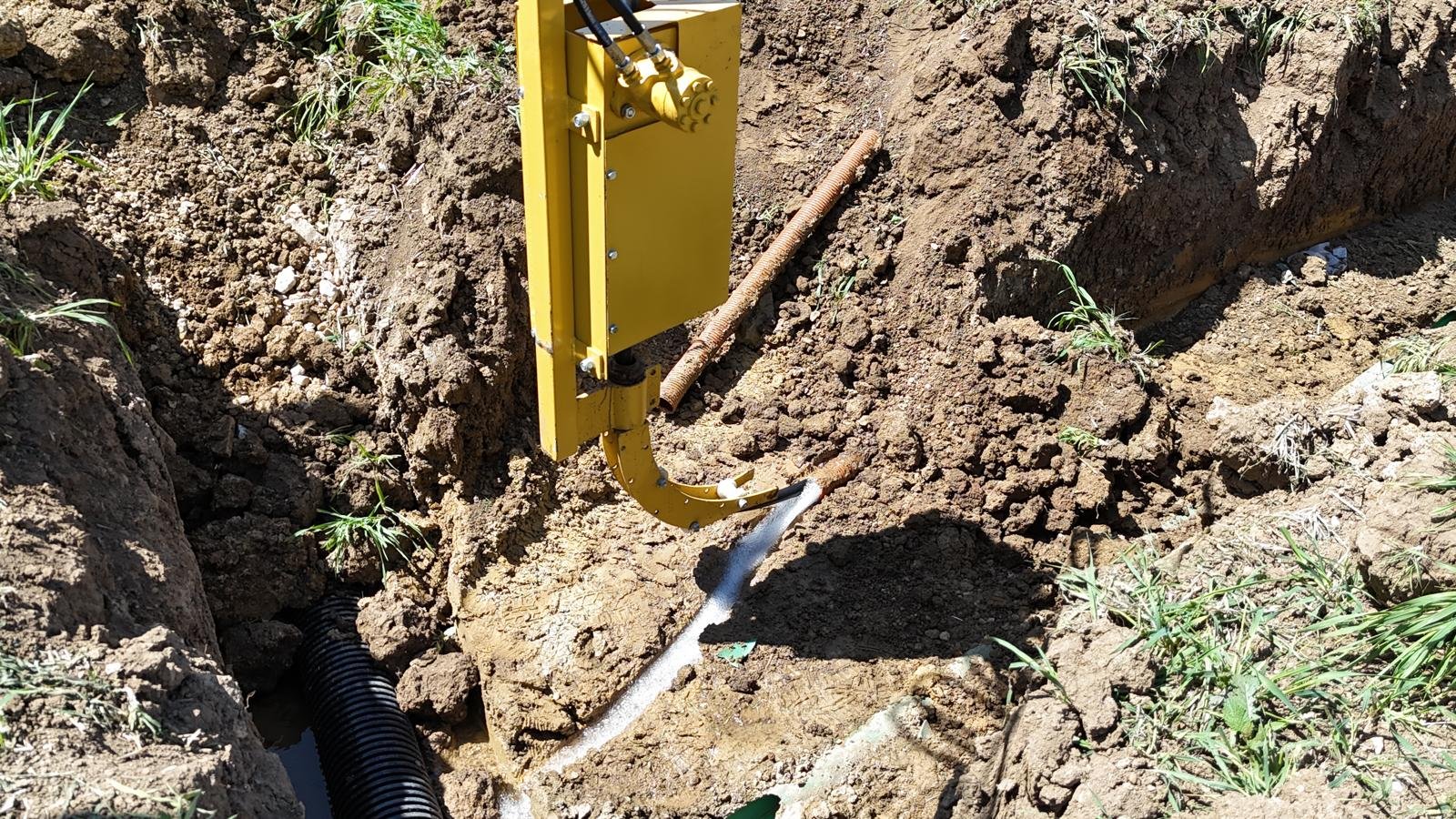
Jetting of land drains can be a very beneficial part of your drainage maintenance programme, especially in areas where the pipes have a minimal fall where they don’t self-cleanse. Slow flow results in sediment building up which impairs the efficiency of the drainage system. This is when jetting comes into its own, making sure your land drains continue to run clearly and effectively. Steve Parker Land Drainage has a range of jetting equipment for this task, operated or non-operated we can tailor it to suit you.
Mole Draining and Sword Lifting
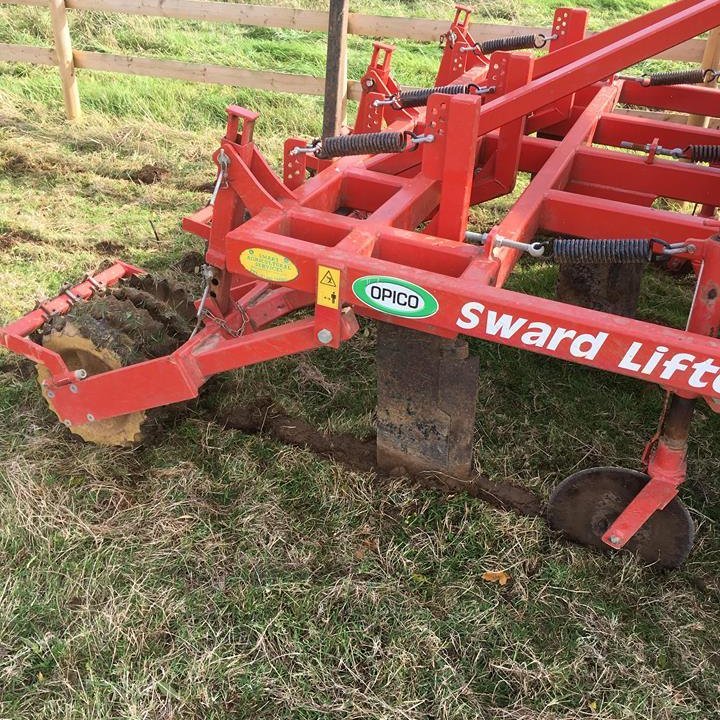
Mole draining if done correctly can be a very effective solution to a drainage problem, providing you have somewhere to mole into. This can for example be a ditch, water course or porous backfill over a land drain. This is not a permanent solution as they will need redoing depending on the soil type. Sword lifting is a means of aerating the upper soil profile to enable the drainage of surface water where compaction has become an issue. This method is particularly well suited for grassland and equestrian paddocks.
Ditching
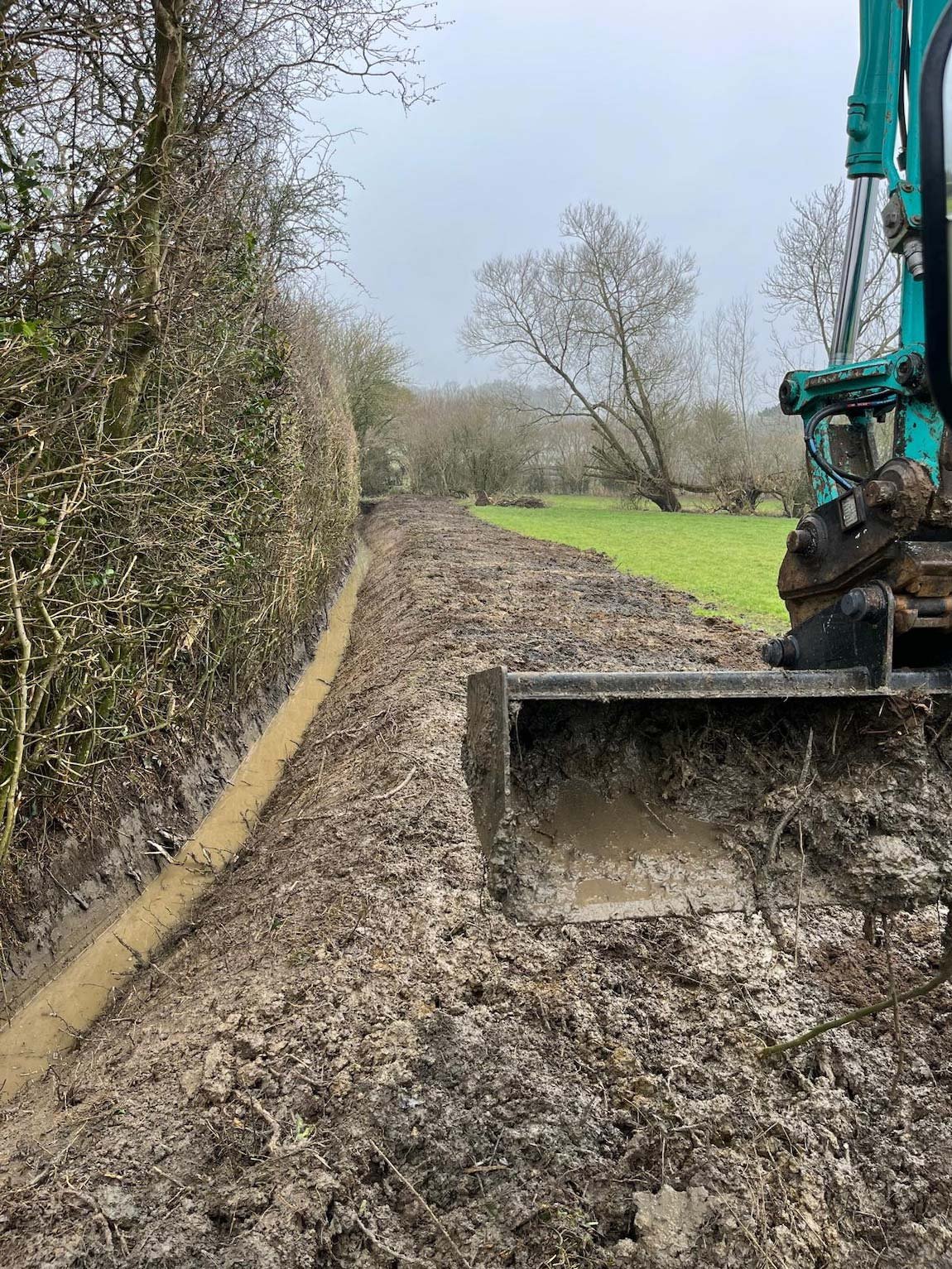
Excavation and cleaning of ditches is a very important part of any water management system. Ditches provide you with your outfall and as mentioned earlier, no out fall, no drainage. So, make it part of your winter maintenance programme.
Recent Clients ...